Building Confidence One Smile at a Time.

Gum Abscess: Causes, Symptoms & Treatment | Philippines
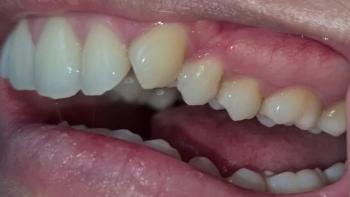
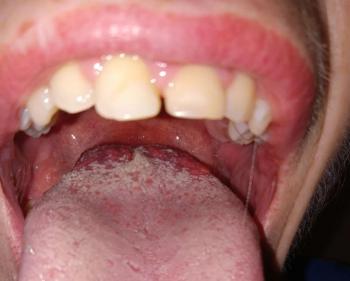
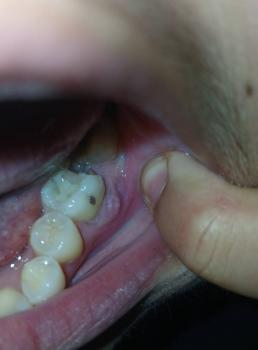
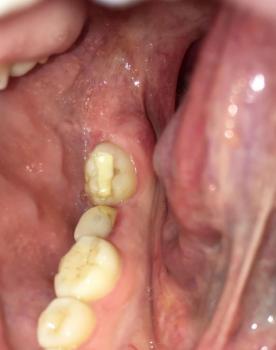
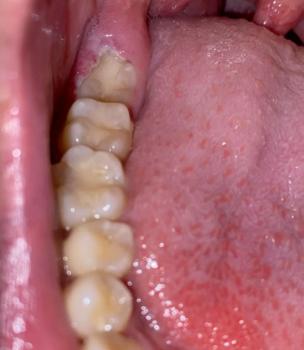
A gum abscess is a pocket of pus caused by a bacterial infection in the gums or tissues around a tooth. It can cause swelling, pain, tenderness, bad taste, bad breath, and sometimes fever.
In the Philippines, some people delay dental treatment because of cost, fear, work schedules, or limited access to dental care. A small dental problem can become much more serious when treatment is postponed.
What Is a Gum Abscess?
A gum abscess develops when bacteria cause an infection in the gum or around a tooth. The infection may occur because of gum disease, tooth decay, food trapped around the gums, or an infection originating from a tooth.
A gum abscess should not be ignored or treated only at home. The source of the infection needs to be evaluated by a dentist.
Common Symptoms of a Gum Abscess
Possible symptoms include:
- Swollen or painful gums
- A small bump or pimple on the gum
- Pus around the tooth or gum
- Toothache or throbbing pain
- Pain when chewing
- Bad taste in the mouth
- Persistent bad breath
- Red or tender gums
- Facial or jaw swelling
- Fever in more serious infections
- Difficulty opening the mouth
Sometimes an abscess may drain and the pain may temporarily improve. This does not necessarily mean the infection is gone.
Smoking and Gum Abscess Risk
Smoking can negatively affect oral health and make it harder for the gums to heal. Men who smoke and have poor oral-health habits may be at increased risk of gum disease and other dental problems, but gum abscesses can affect anyone.
Other habits and conditions that may contribute to dental infections include:
- Poor brushing and flossing
- Untreated cavities
- Existing gum disease
- Heavy plaque and tartar buildup
- Regular smoking
- Frequent sugary foods and drinks
- Delaying dental checkups
- Poorly fitting dental restorations
- A weakened immune system
Why You Should Not Ignore a Gum Abscess
A gum abscess is an infection. Without appropriate treatment, the infection can potentially spread into surrounding tissues.
What starts as gum swelling may eventually involve a larger area of the mouth, jaw, or face. Severe dental infections can require more complicated and expensive treatment than the original problem.
Early dental treatment is usually better than waiting until the problem becomes severe.
What Does a Dentist Do for a Gum Abscess?
Treatment depends on the source and severity of the infection.
A dentist may:
- Examine the affected tooth and gums.
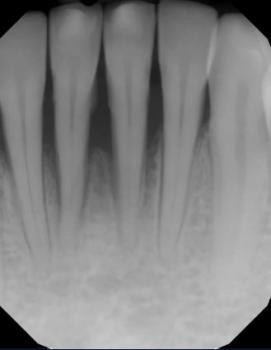
- Take dental X-rays when necessary.
- Drain the abscess when appropriate.
- Clean infected areas.
- Treat gum disease if it is contributing to the problem.
- Treat an infected tooth with procedures such as root canal treatment when appropriate.
- Remove a tooth if it cannot be saved.
- Prescribe medication when clinically indicated.
Antibiotics may sometimes be necessary, but they do not replace treatment of the underlying dental problem.
Can You Treat a Gum Abscess at Home?
Home measures may provide temporary comfort, but they do not remove the source of an abscess.
While waiting for professional dental care, maintaining gentle oral hygiene and rinsing the mouth with warm salt water may provide some relief. Avoid squeezing or puncturing the swelling yourself.
Do not place aspirin directly on the gums because it can irritate or burn the tissue.
When Is a Gum Abscess an Emergency?
Seek urgent medical or dental attention if you develop:
- Rapidly increasing facial swelling
- Swelling around the eye
- Difficulty breathing
- Difficulty swallowing
- Severe weakness or illness
- High fever
- Significant swelling of the jaw or neck
These symptoms can indicate that an infection is becoming more serious.
Gum Abscess in the Philippines
Dental treatment can be difficult to access for some families in the Philippines, particularly when financial problems cause people to postpone dental care.
However, delaying treatment can sometimes turn a relatively manageable dental problem into a more complicated situation.
If you notice gum swelling, pus, persistent tooth pain, or a recurring bump on your gums, consider having the area examined by a licensed dentist as soon as possible.
Frequently Asked Questions
Can a gum abscess go away by itself?
The swelling or pain may temporarily decrease, especially if the abscess drains, but the underlying infection may remain.
Is a gum abscess caused by smoking?
Smoking can increase the risk of gum disease and interfere with healing, but an abscess can have several causes.
Can a gum abscess damage a tooth?
Yes. If the infection originates from an infected tooth, delaying treatment can result in significant damage and may eventually make the tooth difficult or impossible to save.
Is a gum abscess contagious?
The infection itself is not generally considered contagious like a cold or flu, but bacteria can be transferred through saliva. Good oral hygiene and avoiding the sharing of toothbrushes are sensible precautions.
Should I pop a gum abscess?
No. Do not attempt to puncture or squeeze an abscess yourself. A dentist should determine the cause and appropriate treatment.
Protect Your Gums Before a Small Problem Becomes a Bigger One
Regular brushing, cleaning between the teeth, avoiding smoking, controlling sugar intake, and getting dental problems checked early can help protect your teeth and gums.
A painful or swollen gum should not simply be ignored because it seems small today. Early professional evaluation can help prevent a dental infection from becoming a much bigger problem.
Related Clinical Cases
Patients with lower front gum inflammation may also experience tartar buildup, periodontal disease, gum abscesses, or tooth decay. Explore these related clinical case studies.