Missing Teeth? Find Your Smile Again.

Dental Health Hub: Yellow or Cream-Colored Spot Near the Tonsils
image hero:
Country:
Tonsil Stones — Causes, Signs, Evaluation & When to Seek Care
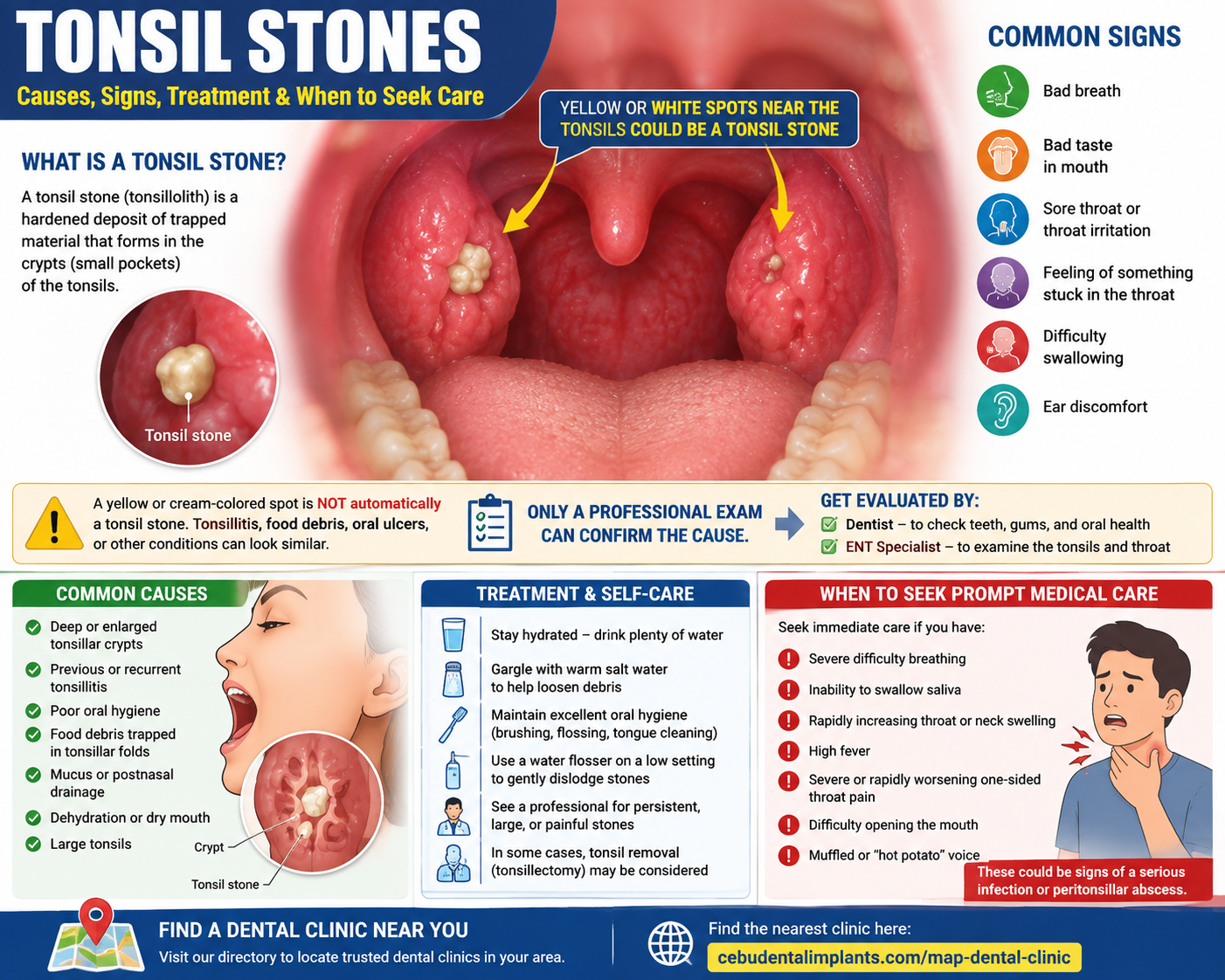
A tonsil stone (tonsillolith) is a small, hardened deposit that forms inside the natural folds or crypts of the tonsils. It can appear white, yellow, or cream-colored. Tonsil stones are made from trapped material such as food particles, mucus, bacteria and minerals that gradually harden.
What Causes Tonsil Stones?
Tonsil stones are not uniquely caused by living in the USA. They can occur in people anywhere. The main contributing factors include:
- Deep or enlarged tonsillar crypts — natural pockets can trap food, mucus and bacteria.
- Previous or recurrent tonsillitis — repeated inflammation can make tonsillar crypts more prominent.
- Poor oral hygiene — increased oral bacteria and debris can contribute to the material trapped in the tonsils.
- Food debris — particles can become lodged in tonsillar folds.
- Mucus/postnasal drainage — mucus can contribute to material accumulating in the crypts.
- Dehydration or dry mouth — reduced moisture and saliva may increase the tendency for debris to remain in the mouth.
- Large tonsils — larger surface area and deeper crypts can provide more places for debris to collect.
Common Signs
A person with tonsil stones may experience:
- Bad breath
- Bad taste
- White/yellow material on the tonsil
- Feeling that something is stuck in the throat
- Sore throat or throat irritation
- Cough
- Difficulty swallowing
- Occasionally ear discomfort
Important: A yellow or cream-colored spot is not automatically a tonsil stone. Tonsillitis can also produce white or yellow patches, and other conditions can look similar.
Dental + ENT Evaluation
For a patient with a suspected tonsil stone, a good evaluation may involve both dental and ENT care.
A dentist can evaluate:
- Teeth and cavities
- Plaque and calculus
- Gingivitis or periodontal disease
- Tongue coating
- Oral sources of bad breath
This is particularly important when the finding is persistent, recurrent, painful, bleeding, or associated with significant throat symptoms.
Can It Improve Within 14 Days?
A small tonsil stone may loosen and fall out on its own, sometimes much sooner than 14 days. Warm salt-water gargling and good oral hygiene can help reduce debris and bacteria.
However, 14 days should not be considered a guaranteed healing period. If the underlying problem is recurrent tonsillitis, enlarged crypts, significant inflammation, or another condition, the cause needs to be evaluated.
What Can Make the Problem Worse?
If recurrent tonsil stones are ignored, the patient may continue experiencing:
Tonsil stones are usually harmless, but larger or chronic stones can cause significant symptoms and, in some cases, contribute to inflammation or infection.
When to Seek Prompt Medical Care
Do not simply wait 14 days if there is:
- Severe difficulty breathing
- Inability to swallow saliva
- Rapidly increasing throat or neck swelling
- High fever
- Severe or rapidly worsening one-sided throat pain
- Significant difficulty opening the mouth
- A markedly muffled voice
These symptoms can indicate a more serious throat infection or peritonsillar abscess, which requires prompt medical evaluation.
Dental Hub Recommendation
Suspected tonsil stone? Start with a professional examination rather than assuming every yellow/white spot is a tonsil stone.
A combined dental examination + ENT evaluation when indicated can help identify whether the problem originates primarily from the tonsils, teeth, gums, tongue, or another part of the mouth/throat.
Diagnostic Methods:
Related Clinical Cases
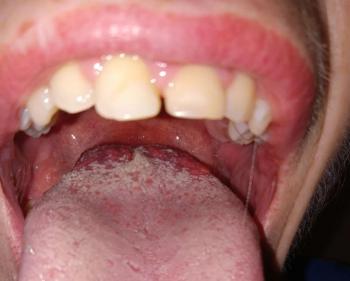
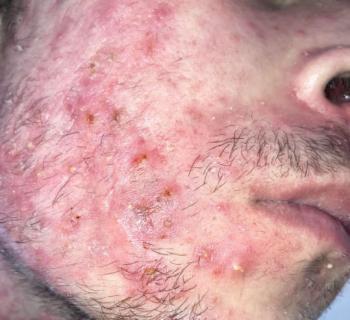
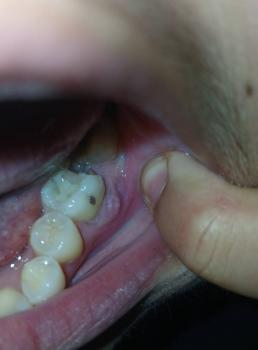
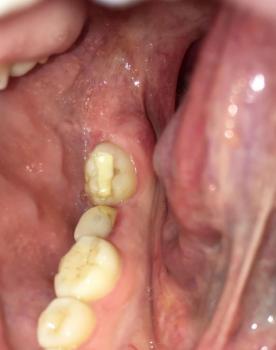
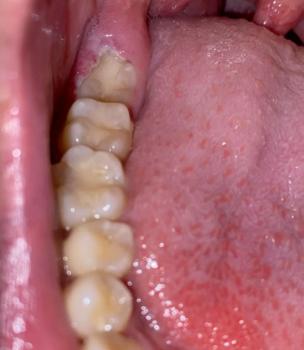
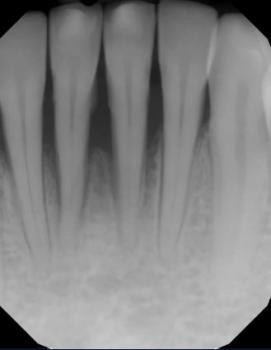
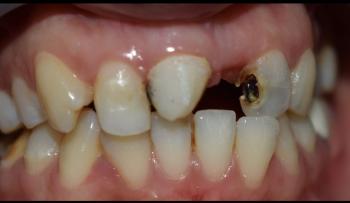
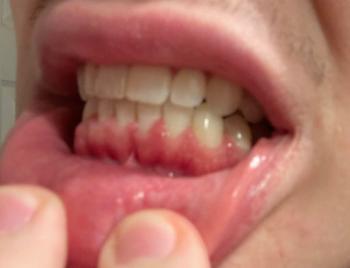
Patients with lower front gum inflammation may also experience tartar buildup, periodontal disease, gum abscesses, or tooth decay. Explore these related clinical case studies.
Other topics:
Other Dental Clinic
 |
 |
 |
 |