United States

Simulated U.S. Dental Case: Acute Pericoronitis From an Impacted Mandibular Wisdom Tooth

1. Simulated Case Presentation

Patient Profile

A 22-year-old patient presents to an outpatient oral surgery clinic in the United States with a 3-day history of progressively worsening pain in the lower-right posterior jaw. The patient reports localized swelling, discomfort while chewing, and increasing difficulty opening the mouth.

Subjective Symptoms

The patient describes:

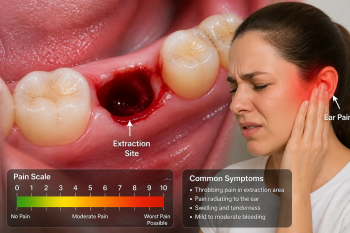
  • Throbbing pain radiating toward the right ear and temple

  • Localized swelling around the lower-right wisdom tooth
Impacted Wisdom Teeth: Clinical Classification, Symptoms, U.S. Treatment Standards, Costs & Recovery

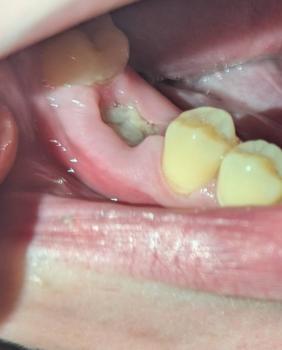
Impacted wisdom teeth, also called impacted third molars, are among the most common reasons for oral surgery in the United States. A wisdom tooth is considered impacted when it cannot erupt into a normal, functional position because of inadequate space, obstruction, or an unfavorable eruption path.

Horizontally Impacted Wisdom Teeth: Clinical Overview, Treatment, Costs & Recovery

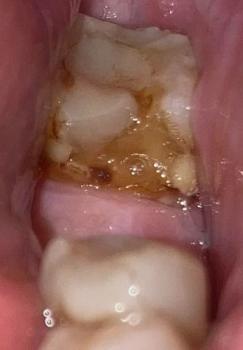
A horizontally impacted wisdom tooth is a third molar that develops in a nearly sideways position rather than following the normal vertical path of eruption. In many cases, the crown points toward the adjacent second molar and may press against, contact, or become trapped beneath it.

Horizontal impaction is one of the more technically challenging forms of third-molar impaction because the tooth may be deeply embedded in bone and positioned close to the roots of the second molar or the inferior alveolar nerve.

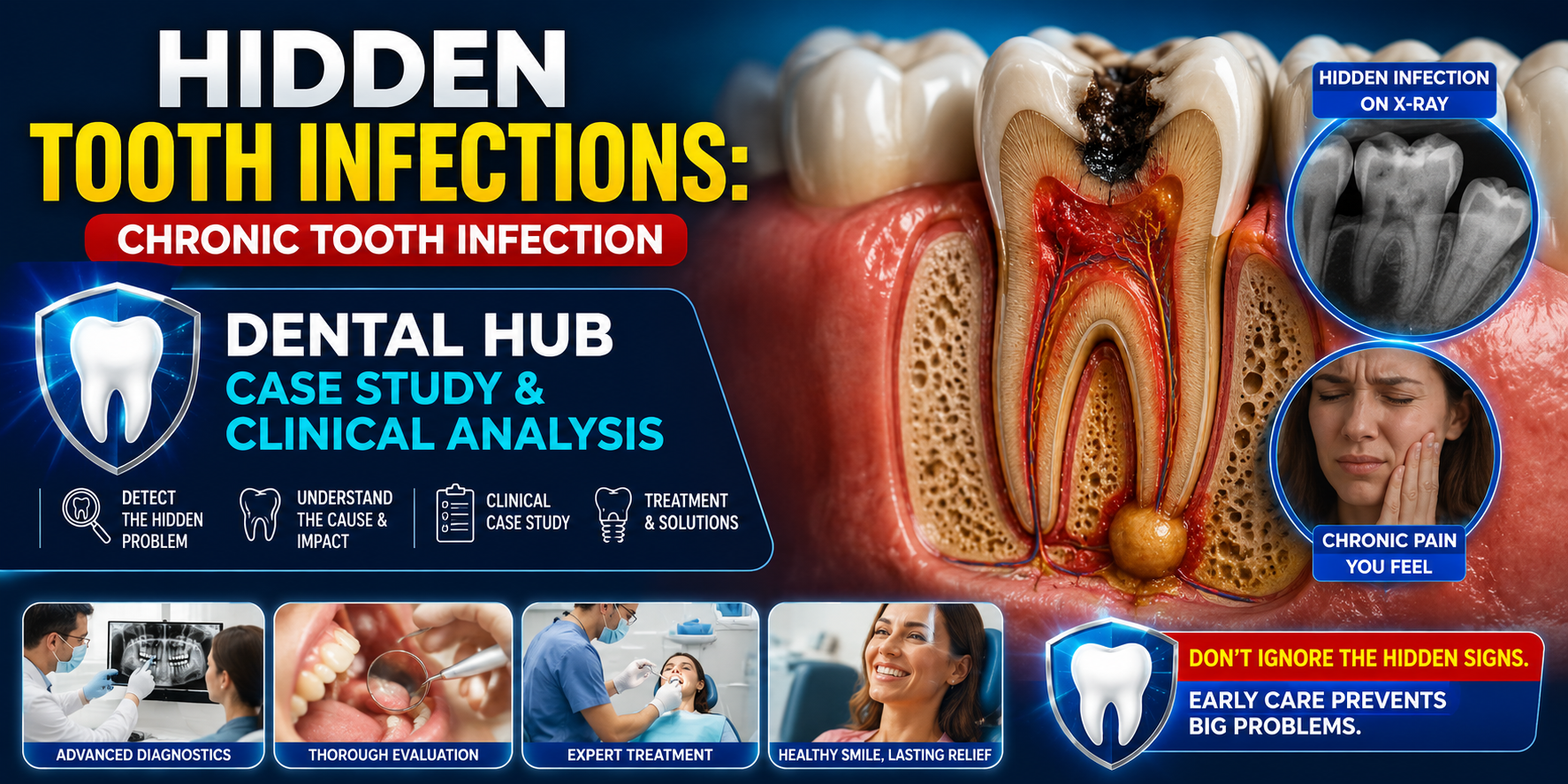
Hidden Tooth Infections: Chronic Tooth Infection Dental Hub Case Study & Clinical Analysis

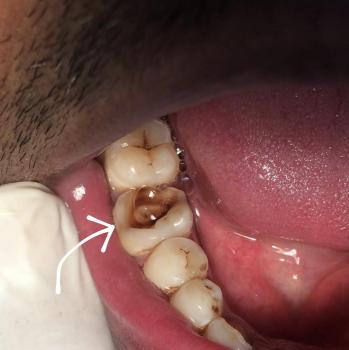
A tooth can look relatively normal on the outside while a chronic infection continues to develop deep inside the tooth or around its roots. These hidden tooth infections can be difficult to recognize because pain may be mild, intermittent, or completely absent.

From a U.S. dental clinical perspective, the important lesson is simple: absence of severe pain does not necessarily mean absence of infection.

Pages