Smile Again with Comfort and Confidence.

Is a Cheap Dental Clinic in the Philippines Safe? 7 Things to Check Before Treatment
Understanding Affordability, Healthcare Inequality, and Patient Safety
Choosing a dental clinic is an important decision, especially for patients who are working with a limited budget. In the Philippines, affordable dental care can help more people access essential treatment. However, low prices should not come at the expense of infection control, professional qualifications, or patient safety.
The question is not simply whether a dental clinic is cheap or expensive. The more important question is whether the clinic provides safe, ethical, and appropriate care at a price patients can afford.
This article explores how patients can evaluate a low-cost dental clinic in the Philippines and make informed decisions about their oral health.
Is It Safe to Visit a Low-Cost Dental Clinic?
A low-cost dental clinic is not automatically unsafe, and an expensive clinic is not automatically safe.
The cost of dental treatment alone does not establish the quality of care. Safety depends on the clinic's compliance with applicable regulations, the qualifications of its dental professionals, infection-control practices, equipment, and clinical procedures.
In the Philippines, patients may encounter a wide range of dental facilities, from established hospitals and specialized clinics to small neighborhood practices. Differences in resources, location, and operating costs can influence the services and prices offered.
From a social sciences perspective, this reflects a broader issue in healthcare: people with limited financial resources may have fewer options when seeking treatment. The challenge is to make dental care more affordable without creating unequal exposure to health risks.
The Relationship Between Dental Costs and Healthcare Inequality
Dental treatment can represent a significant financial burden for Filipino families. Costs may include consultation fees, diagnostic imaging, tooth extraction, dental fillings, root canal treatment, and tooth replacement.
When treatment becomes expensive, some patients may delay visiting a dentist or choose a clinic based primarily on the lowest price.
This can create several challenges:
-
Delayed diagnosis of dental problems.
-
Increased risk of untreated tooth decay and gum disease.
-
Greater difficulty accessing specialized procedures.
-
Financial pressure on families needing extensive treatment.
-
Reduced ability to compare clinics based on quality and safety.
Affordable dental care is therefore an important part of public health. However, affordability should be combined with appropriate clinical standards.
What Makes a Dental Clinic Safe?
A clinic's safety is better evaluated through its practices and professional credentials than through its advertising or price.
1. Licensing and Professional Qualifications
Patients should ask whether the clinic has the appropriate licenses and permits required for its operations.
In the Philippines, relevant institutions include the Department of Health (DOH), the Health Facilities and Services Regulatory Bureau (HFSRB), and the Professional Regulation Commission (PRC), depending on the facility and services involved.
Look for:
-
Appropriate facility licensing and permits.
-
Dentists with valid professional licenses.
-
Properly trained clinical staff.
-
Transparent information about the dental professionals providing treatment.
Patients should verify credentials through official sources when possible.
2. Infection Control and Sterilization
Infection control is one of the most important aspects of dental treatment. Dental procedures may involve contact with blood, saliva, soft tissue, and, in some cases, bone.
A safe dental clinic should have appropriate procedures for cleaning, disinfecting, sterilizing, and storing instruments.
For instruments that penetrate soft tissue or bone, sterilization using an appropriate validated method—such as a properly maintained steam autoclave when suitable—is essential.
Patients may ask:
-
How are dental instruments sterilized?
-
Are instruments individually packaged?
-
Are sterilization indicators used?
-
Are instruments stored in a clean, protected area?
-
How are contaminated instruments handled after treatment?
A professional clinic should be willing to explain its infection-control procedures.
3. Single-Use Medical Supplies
Certain dental supplies are intended for one-time use. These may include needles, syringes, and other disposable materials, depending on their design and intended purpose.
Patients should expect single-use items to be handled appropriately and discarded after use.
You can ask the dental team to open packaged disposable items in your presence when appropriate.
4. Personal Protective Equipment
Gloves, masks, protective eyewear, and other protective equipment may be used to reduce the risk of cross-contamination.
The dental team should follow appropriate hand hygiene and change or clean protective equipment as required between patients and procedures.
The presence of gloves alone does not prove that a clinic is safe. Proper infection-control practices involve multiple steps working together.
5. Safe Biomedical Waste Disposal
Dental clinics generate waste that may include used needles, blood-contaminated materials, and other potentially infectious items.
Proper waste segregation, sharps disposal, and biomedical waste management help protect patients, staff, waste handlers, and the surrounding community.
Patients should feel comfortable asking how a clinic handles clinical waste.
Are Extremely Cheap Dental Clinics Risky?
Very low prices deserve careful evaluation, but price alone is not evidence of unsafe practice.
A clinic may offer affordable treatment because it has lower operating expenses, efficient scheduling, negotiated supply costs, or a simpler facility. These factors do not necessarily indicate poor care.
However, patients should be cautious when a clinic:
-
Cannot provide clear information about its dental professionals.
-
Refuses to explain sterilization procedures.
-
Does not provide a clear treatment plan.
-
Uses suspiciously cheap offers without explaining what is included.
-
Pressures patients to undergo treatment immediately.
-
Cannot explain the materials or procedures being used.
-
Appears to lack appropriate hygiene and infection-control practices.
The concern is not affordability itself. The concern is whether cost-cutting compromises essential safety standards.
How to Protect Yourself Before Dental Treatment
Ask Questions Before Agreeing to Treatment
You have the right to understand the treatment being recommended.
Useful questions include:
-
What dental problem needs to be treated?
-
What treatment options are available?
-
How much will the complete treatment cost?
-
Are diagnostic tests included?
-
What dental materials or implant system will be used?
-
How are instruments sterilized?
-
What are the possible risks and complications?
-
What follow-up care will be provided?
A clear explanation helps patients make informed decisions.
Compare Clinics Beyond Their Prices
When comparing dental clinics in the Philippines, consider several factors together:
| Factor | What to evaluate |
|---|---|
| Price | Is the treatment affordable and clearly itemized? |
| Credentials | Are the clinic and dental professionals appropriately licensed? |
| Safety | Are sterilization and infection-control procedures explained? |
| Experience | Does the dentist have relevant experience with the proposed treatment? |
| Equipment | Is the necessary diagnostic and clinical equipment available? |
| Communication | Does the dental team answer questions clearly? |
| Aftercare | Is follow-up care included or explained? |
A slightly higher fee may be worthwhile if it provides appropriate diagnostics, safer procedures, and better continuity of care. At the same time, patients should not assume that higher prices always guarantee better outcomes.
The Social Importance of Affordable Dental Care
Oral health is closely connected to quality of life. Dental pain can affect eating, sleeping, work, education, and social participation.
When dental treatment is financially inaccessible, patients may experience consequences that extend beyond the mouth.
Affordable dental services can help address these inequalities by making essential care available to more people. However, affordability must be balanced with ethical responsibilities.
Healthcare providers have a responsibility to:
-
Maintain appropriate safety standards.
-
Communicate treatment risks honestly.
-
Provide transparent pricing.
-
Respect patient decisions.
-
Avoid unnecessary treatment.
-
Protect patient dignity and confidentiality.
Patients, in turn, benefit from understanding their treatment options and asking questions before making financial commitments.
Frequently Asked Questions
Is a cheap dental clinic in the Philippines safe?
It can be safe, but the price does not guarantee safety. Evaluate the clinic's licensing, dentist qualifications, infection-control procedures, treatment planning, and aftercare.
Should I choose the cheapest dental clinic?
Not necessarily. Compare the complete treatment cost and the quality of care. The lowest advertised price may not include diagnostics, surgical fees, or permanent restorations.
How do I know if a dental clinic sterilizes its instruments properly?
Ask how instruments are cleaned, packaged, sterilized, and stored. Clinics should follow appropriate sterilization procedures for the instruments and treatments they provide.
Can I ask a dentist about their qualifications?
Yes. Patients can ask about the dentist's professional license, experience, and qualifications relevant to the treatment being considered.
What should I do if I feel uncomfortable with a clinic's safety?
You can request more information, seek a second opinion, or choose another clinic. You should never feel pressured to proceed with treatment when your questions have not been answered.
Conclusion: Affordable Care Should Also Be Safe Care
The affordability of dental treatment is an important concern for patients in the Philippines. Yet a low-cost dental clinic should be evaluated through more than its price.
Safe dental care requires appropriate professional qualifications, infection-control practices, ethical treatment planning, and transparent communication.
The goal should not be the cheapest dental treatment at any cost. It should be accessible, safe, and appropriate dental care that respects the patient's health and financial circumstances.
Dental Consultation in Cebu
At Cebu Dental Implants, we believe patients deserve clear information about their dental treatment options.
Whether you are considering tooth extraction, dental implants, or other restorative procedures, a consultation can help you understand the recommended treatment and associated costs.
Visit our website to learn more about dental care in Cebu:
Website: https://cebudentalimplants.com
Disclaimer
This article is for general educational purposes. Clinic licensing, regulatory requirements, and professional credentials should be verified through the relevant Philippine authorities. Dental treatment decisions should be made in consultation with a qualified dental professional.
Related Clinical Cases
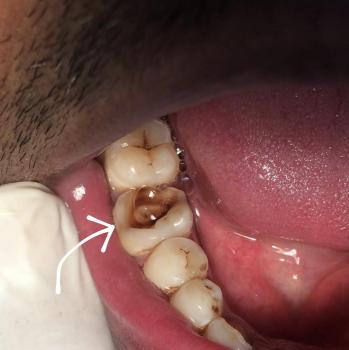
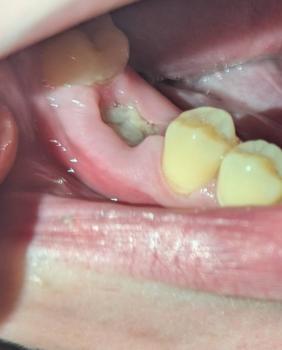
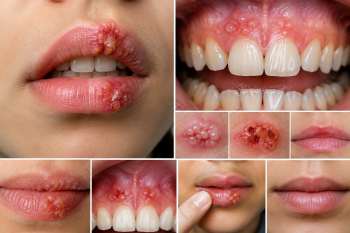
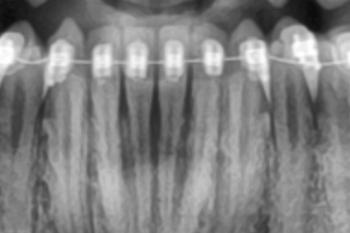
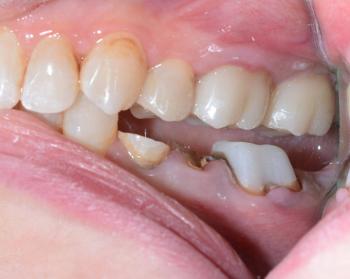
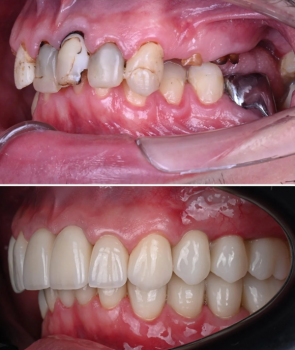
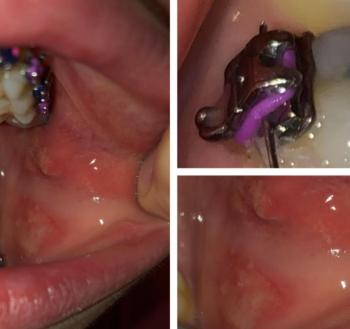
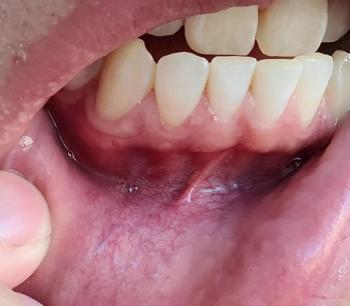
Patients with lower front gum inflammation may also experience tartar buildup, periodontal disease, gum abscesses, or tooth decay. Explore these related clinical case studies.
Other topics:
Other Dental Clinic