Modern Dentistry, Timeless Smiles.

Signs of a Cavity & How Bad Is It? Can a Cavity Heal Naturally?
Dental Cavities: Stages, Severity, Symptoms & Treatment
Dental caries, commonly called cavities or tooth decay, is a progressive disease that damages the hard tissues of the teeth. It develops when oral bacteria produce acids from carbohydrates in food and drinks. Over time, repeated acid attacks can remove minerals from enamel and eventually create a physical hole in the tooth.
Understanding the stage of decay helps determine whether it can be managed with preventive care or requires a dental restoration.
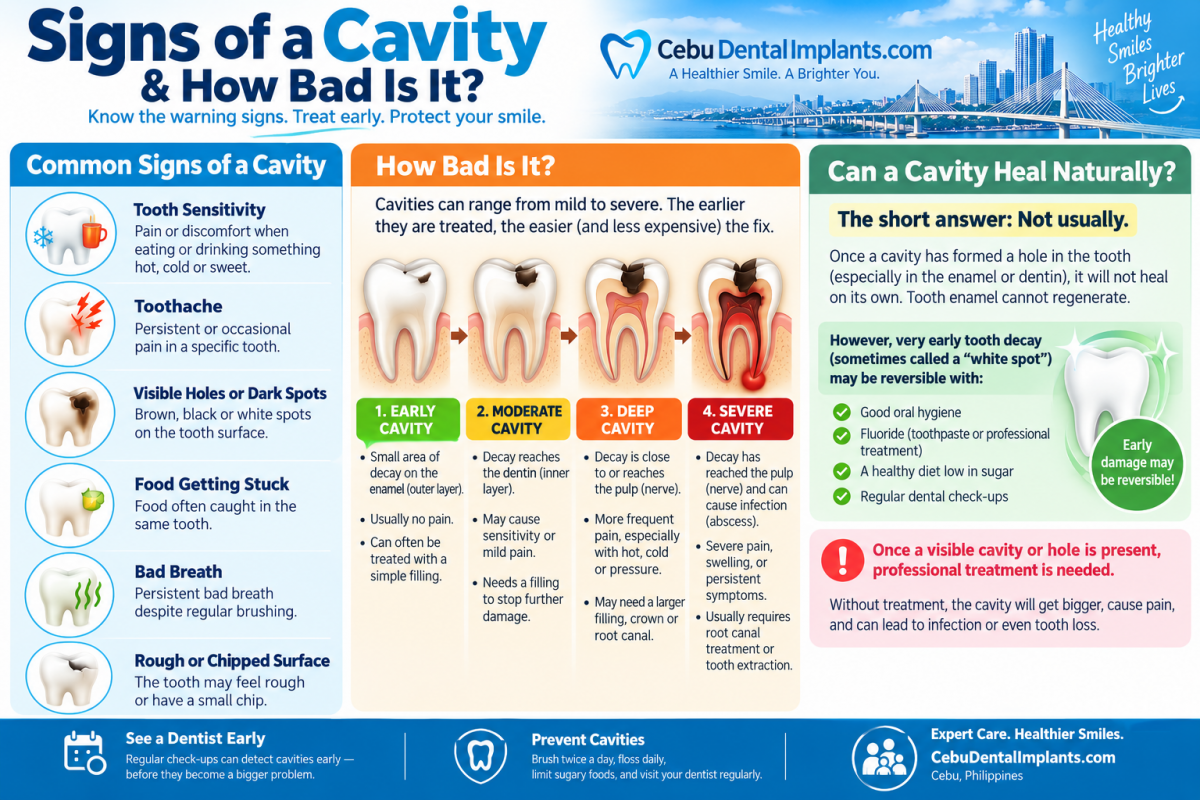
Stages of a Cavity
1. Early Enamel Demineralization
The earliest stage of tooth decay begins when minerals are lost from the enamel beneath the surface.
Signs may include:
- Chalky or opaque white spots
- Changes in enamel appearance
- No visible hole in the tooth
Symptoms:
Usually no pain or sensitivity.
At this stage, the enamel surface may still be intact, meaning the process can potentially be stopped or reversed through improved plaque control, fluoride exposure, and professional preventive care.
2. Enamel Cavitation
If demineralization continues, the enamel surface can eventually break down and form a cavity.
Signs may include:
- A visible hole or rough area
- Brown or dark discoloration
- Food becoming trapped in pits or between teeth
Symptoms:
Many people still have no symptoms, although some may notice mild sensitivity to cold or sweets.
Once a true cavity has formed, the missing tooth structure cannot simply grow back.
3. Dentin Decay
When decay passes through enamel and reaches dentin, progression can become faster because dentin is softer and less mineralized.
Signs may include:
- A larger cavity
- Soft or discolored tooth structure
- Food trapping
- Increasing sensitivity
Symptoms may include:
- Cold sensitivity
- Sweet sensitivity
- Occasional discomfort when chewing
Sensitivity that stops shortly after the trigger is removed can occur when the pulp remains capable of recovering, although the tooth still needs professional assessment.
4. Pulp Involvement
Advanced decay can eventually reach the pulp—the living tissue containing nerves and blood vessels inside the tooth.
Possible symptoms include:
- Spontaneous tooth pain
- Severe or throbbing pain
- Pain that lingers after hot or cold exposure
- Increased nighttime pain
- Pain when biting
If the pulp becomes irreversibly inflamed or dies, bacteria can spread through the root canal system and cause an infection around the root.
How Severe Is My Cavity?
The severity of decay depends largely on how deeply it has progressed and how much tooth structure remains.
| Stage | What Is Happening | Typical Management |
|---|---|---|
| Early | Mineral loss, surface still intact | Fluoride, oral hygiene, monitoring |
| Enamel cavity | Surface breakdown has occurred | Dental restoration may be needed |
| Moderate | Decay has reached dentin | Filling or other restoration |
| Advanced | Deep decay with major structural loss | Large restoration, crown, or pulp protection |
| Severe | Pulp infection, necrosis, or root infection | Root canal treatment or extraction, depending on restorability |
The exact treatment cannot be determined from symptoms alone. Dentists may use visual examination, tactile assessment, X-rays, and other diagnostic tests to determine the depth and extent of decay.
Can a Cavity Heal on Its Own?
Early Decay Can Be Reversed
Very early non-cavitated enamel lesions can sometimes be remineralized. Saliva naturally supplies minerals, while fluoride helps strengthen enamel and make it more resistant to acid attacks.
Treatment may include:
- Fluoride toothpaste
- Professional fluoride treatment
- Improved brushing and interdental cleaning
- Reducing frequent sugar and carbohydrate exposure
- Regular dental monitoring
The goal is to stop the lesion before a physical cavity develops.
A Formed Cavity Cannot Regrow
Once enamel has physically collapsed and a hole has formed, the missing tooth structure does not naturally regenerate.
A dentist may need to remove damaged tooth structure and restore the tooth with an appropriate material. Depending on the extent of damage, treatment can include a filling, inlay/onlay, crown, or other restorative procedure.
Deep Decay May Require Root Canal Treatment
If decay reaches the pulp and causes irreversible inflammation or infection, simply placing a filling may not be enough. Root canal treatment may be recommended when the tooth can still be predictably restored.
If the tooth is severely damaged or cannot be restored, extraction may be considered.
Why Treat Cavities Early?
A small cavity may require relatively simple treatment. As decay progresses, more tooth structure can be lost, increasing the risk of:
- Tooth fracture
- Severe toothache
- Pulp inflammation
- Dental abscess
- Root canal treatment
- Tooth extraction
Early diagnosis can therefore help preserve more of the natural tooth.
When Should You See a Dentist?
Make a dental appointment if you notice:
- A visible hole in your tooth
- White, brown, or black areas that are changing
- Persistent sensitivity
- Pain when eating or drinking
- Pain when biting
- Food repeatedly getting trapped around one tooth
- Toothache that is worsening or occurring spontaneously
Seek urgent care if tooth pain is accompanied by significant facial swelling, fever, difficulty swallowing, difficulty breathing, or rapidly increasing swelling.
Key Takeaway
Tooth decay usually progresses from mineral loss → enamel breakdown → dentin involvement → pulp damage → possible infection.
The important distinction is whether the lesion is still non-cavitated or whether actual tooth structure has been lost. Early lesions may be arrested or remineralized, while an established cavity requires professional evaluation and often restorative treatment.
Related Clinical Cases
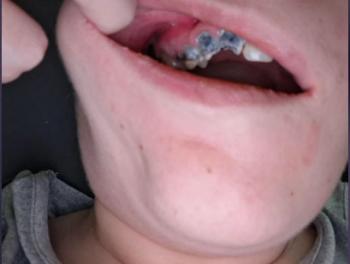
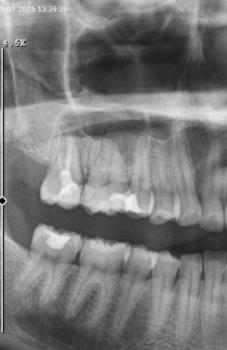
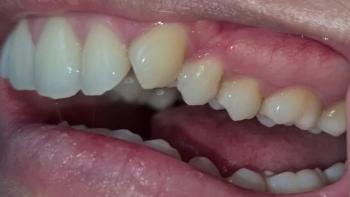
Patients with lower front gum inflammation may also experience tartar buildup, periodontal disease, gum abscesses, or tooth decay. Explore these related clinical case studies.




Other topics:
Other Dental Clinic