From Pain to Perfect — We Care for Your Smile.

Single vs Multiple vs Full-Mouth Dental Implants: Expert Guide to the Best Treatment
Choosing the right dental implant treatment depends on the number of missing teeth, the condition of the jawbone, gum health, bite pressure, medical history, and the patient’s long-term goals.
A dentist or implant specialist must perform a complete examination before recommending single-tooth implants, multiple dental implants, or full-mouth reconstruction. Each approach has different structural requirements, surgical procedures, healing times, costs, and effects on jawbone health.
1. Single-Tooth Dental Implants
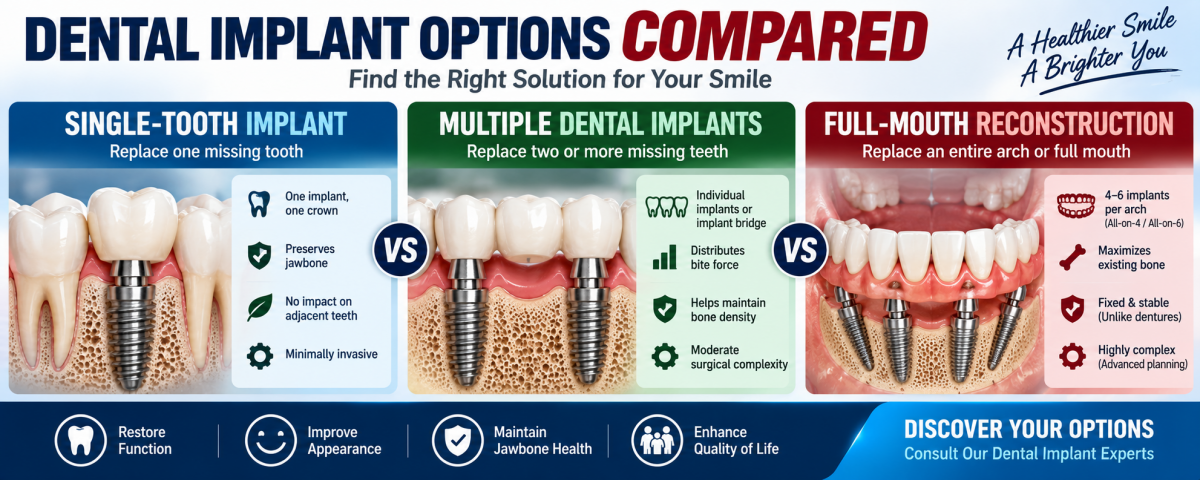
A single-tooth dental implant is designed to replace one missing tooth while preserving the neighboring healthy teeth.
Structure and Mechanics
A typical single-tooth implant consists of:
-
A titanium or zirconia implant post that acts as an artificial tooth root
-
An abutment that connects the implant to the replacement tooth
-
A custom-made dental crown that restores the visible tooth
The implant is placed inside the jawbone. After healing and integration with the bone, the dentist attaches the abutment and crown.
Jawbone Preservation
When a natural tooth is lost, the surrounding jawbone may gradually shrink because it no longer receives normal stimulation from the tooth root.
A dental implant can help maintain bone in the area where it is placed because it transfers chewing forces into the jawbone. However, the amount of bone preservation depends on implant position, bone quality, gum health, and the patient’s healing response.
Effect on Neighboring Teeth
One major advantage is that the adjacent teeth usually do not need to be filed down.
Unlike a traditional dental bridge, a single implant is supported by its own artificial root. This allows the dentist to replace the missing tooth while maintaining more of the natural tooth structure beside it.
Surgical Complexity
Single-tooth implant treatment is generally the simplest of the three options. However, it may still require:
-
Dental examination and X-rays
-
3D CBCT imaging when necessary
-
Gum and bone evaluation
-
Tooth extraction, if the tooth is still present but cannot be saved
-
Bone grafting, if the bone is insufficient
-
Implant placement
-
Healing and bone integration
-
Abutment and crown placement
The total treatment timeline varies. Some patients may qualify for immediate temporary teeth, while others need several months of healing before the final crown is placed.
Best Candidates
Single-tooth implants may be suitable for patients who:
-
Have one missing tooth
-
Have healthy or treatable gums
-
Have sufficient jawbone or can receive bone grafting
-
Maintain good oral hygiene
-
Have realistic expectations
-
Are medically suitable for minor oral surgery
2. Multiple Dental Implants
Multiple dental implants are used when a patient has two or more missing teeth. The implants may be placed in different areas of the mouth or used to support a dental bridge.
Structure and Mechanics
Treatment may involve:
-
Individual implants with separate crowns
-
Two or more implants supporting an implant-supported bridge
-
A combination of implants and natural teeth, depending on the treatment plan
For example, if three neighboring teeth are missing, the dentist may place two implants at the ends of the space and connect them with a three-unit implant-supported bridge.
This means that an implant is not always required for every missing tooth.
Load Distribution
Multiple implants can distribute chewing forces across several support points. This may reduce excessive pressure on one implant and improve the stability of the replacement teeth.
The dentist must carefully evaluate:
-
Implant position
-
Bite force
-
Bone density
-
Crown size
-
Bridge design
-
Tooth grinding or clenching
-
Gum health
-
The patient’s chewing habits
Incorrect implant positioning or excessive bite pressure may increase the risk of implant complications.
Jawbone Preservation
Implants can help maintain bone in the areas where they are placed. However, a bridge section suspended between implants does not provide the same direct root stimulation as an implant placed beneath every missing tooth.
Bone loss may still occur in areas without an implant, particularly when the area is not properly maintained or when gum disease develops.
Surgical Complexity
Multiple implant treatment is more complex than replacing one tooth because the dentist must plan several implant positions and ensure that they work together.
The treatment may involve:
-
Full dental examination
-
Digital scans or impressions
-
CBCT imaging
-
Bite analysis
-
Gum disease treatment
-
Bone grafting
-
Implant placement
-
Temporary replacement teeth
-
Healing and osseointegration
-
Final crowns or bridge placement
The dentist must also check the health of nearby teeth and the condition of the gums before surgery.
Best Candidates
Multiple dental implants may be considered for patients who:
-
Have two or more missing teeth
-
Want a fixed alternative to removable partial dentures
-
Have adequate bone or are willing to undergo bone preparation
-
Have controlled gum disease
-
Can maintain proper oral hygiene
-
Have a stable bite and realistic expectations
3. Full-Mouth Reconstruction and Full-Arch Implants
Full-mouth reconstruction is designed for patients who have lost most or all of their teeth, or whose remaining teeth are severely damaged and cannot be predictably restored.
Common full-arch implant approaches include:
-
All-on-4
-
All-on-6
-
Other full-arch implant-supported bridges
-
Individually placed implants for a more traditional full-mouth reconstruction
Treatment may involve the upper jaw, lower jaw, or both.
Structure and Mechanics
Instead of placing one implant for every missing tooth, a full-arch treatment uses several strategically positioned implants to support a complete arch of replacement teeth.
Many full-arch systems use approximately four to six implants per arch, depending on:
-
Bone availability
-
Implant design
-
Bite force
-
Arch shape
-
Gum condition
-
The dentist’s treatment philosophy
-
The patient’s overall health
The implants support a fixed bridge or prosthetic arch. The replacement teeth may be temporarily attached soon after surgery, but the final restoration is usually placed after the implants have healed sufficiently.
Bone Utilization and Grafting
Full-arch implant planning often focuses on using the strongest available areas of the jawbone.
In selected patients, angled or tilted implants may help avoid certain anatomical structures and reduce the need for extensive grafting. However, this does not mean that bone grafting is unnecessary for everyone.
Some patients may still require:
-
Bone grafting
-
Sinus lift procedures
-
Removal of severely damaged teeth
-
Treatment of infection
-
Gum therapy
-
Additional healing time
Only a detailed examination and 3D CBCT scan can determine whether a patient is suitable for a specific full-arch approach.
Stability Compared With Removable Dentures
Traditional removable dentures rest on the gums and may move during chewing or speaking.
Implant-supported full-arch teeth are anchored to dental implants and can provide:
-
Improved stability
-
Better chewing function
-
Increased confidence when speaking
-
Less movement during meals
-
A more secure alternative to removable dentures
However, implant-supported teeth are not identical to natural teeth. Patients may still need time to adjust to the new bite, speech pattern, and cleaning routine.
Facial Appearance and Bone Loss
Severe tooth loss may contribute to changes in facial appearance because the jawbone can gradually shrink after teeth are lost.
Implant-supported treatment may help maintain bone in the areas surrounding the implants. However, the amount of facial improvement depends on the degree of bone loss, lip support, prosthetic design, and the patient’s individual anatomy.
A full-mouth reconstruction should therefore be planned for both function and appearance.
Surgical Complexity
Full-arch implant treatment is the most complex of the three approaches.
It may require coordination between:
-
Implant dentist
-
Prosthodontist
-
Oral surgeon
-
Dental laboratory
-
Dental hygienist
-
Other medical professionals, when necessary
Advanced planning may include:
-
3D CBCT imaging
-
Digital impressions
-
Facial and smile analysis
-
Bite registration
-
Surgical guides
-
Temporary fixed teeth
-
Bone and gum evaluation
-
Medical history review
-
Sedation or anesthesia planning
The patient may receive temporary teeth during the healing stage. The final bridge is usually delivered after the implants have become sufficiently stable.
Expert Dental Diagnosis Before Implant Treatment
A dental implant procedure should not be selected only because of the number of missing teeth. The dentist must determine whether the patient’s mouth can safely support the planned restoration.
1. Examination of the Missing Teeth
The dentist will assess:
-
How many teeth are missing
-
Whether the missing teeth are next to each other
-
Whether any remaining teeth can be saved
-
The condition of existing crowns, bridges, or dentures
-
The location of the missing teeth
-
The patient’s chewing and speaking concerns
2. Gum Health Evaluation
Active gum disease can increase the risk of implant failure and bone loss.
The dentist may examine:
-
Gum bleeding
-
Gum swelling
-
Gum recession
-
Periodontal pockets
-
Plaque and tartar
-
Tooth mobility
-
Signs of infection
Any active gum infection should be treated before implant placement whenever possible.
3. Jawbone Evaluation
The dentist must check whether enough bone is available to support the implant.
Important factors include:
-
Bone height
-
Bone width
-
Bone density
-
Previous tooth extraction
-
Bone shrinkage
-
Sinus position
-
Nerve location
-
Previous bone grafting
A CBCT scan may be recommended when ordinary dental X-rays do not provide enough information.
4. Bite and Chewing Analysis
The strength and direction of the patient’s bite affect implant planning.
The dentist may evaluate:
-
Teeth grinding
-
Jaw clenching
-
Uneven bite forces
-
Missing back teeth
-
Jaw joint symptoms
-
The size and position of the replacement teeth
Patients who grind their teeth may need a night guard or additional bite protection.
5. Medical History
The dentist should review conditions and medications that may affect healing or surgery, including:
-
Diabetes control
-
Smoking or tobacco use
-
Bone-related medications
-
Blood-thinning medication
-
Previous radiation treatment
-
Immune system problems
-
Heart conditions
-
Allergies
-
Previous surgical complications
Patients should provide a complete and accurate medical history before treatment.
Comparing the Three Dental Implant Approaches
| Feature | Single-Tooth Implant | Multiple Dental Implants | Full-Arch Reconstruction |
|---|---|---|---|
| Main purpose | Replace one missing tooth | Replace several missing teeth | Replace most or all teeth |
| Common design | Implant, abutment, crown | Individual crowns or implant bridge | Fixed full-arch bridge |
| Number of implants | Usually one | Depends on spacing and design | Often four to six per arch |
| Surgical complexity | Generally lower | Moderate | High |
| Planning needs | Individual tooth and bone assessment | Multi-implant and bite planning | Advanced full-arch and bite planning |
| Bone grafting | Sometimes needed | Sometimes needed | May or may not be needed |
| Healing | Varies by patient | Varies by number of implants | Usually requires careful staged healing |
| Best use | One missing tooth | Several missing teeth | Severe tooth loss or failing teeth |
Which Dental Implant Option Is Best?
There is no single implant approach that is best for every patient.
A single-tooth implant may be appropriate when:
-
Only one tooth is missing
-
Neighboring teeth are healthy
-
The bone is suitable
-
The patient wants to avoid preparing adjacent teeth
Multiple implants may be appropriate when:
-
Several teeth are missing
-
The missing teeth are spread across the mouth
-
A fixed bridge is preferred over a removable partial denture
-
The remaining teeth and gums are stable
Full-arch reconstruction may be appropriate when:
-
Most teeth are missing
-
The remaining teeth have a poor long-term prognosis
-
The patient cannot comfortably use removable dentures
-
A fixed full-arch restoration is medically and financially suitable
In some cases, saving natural teeth may be better than removing them. A dentist should explain all reasonable options before recommending extraction and full-arch treatment.
Important Questions to Ask Your Implant Dentist
Before beginning treatment, ask:
-
Can any of my natural teeth be saved?
-
Why do you recommend this implant approach?
-
How many implants will be placed?
-
Which implant brand and model will be used?
-
Do I need a CBCT scan?
-
Do I need bone grafting or a sinus lift?
-
How long will the treatment take?
-
Will I receive temporary teeth?
-
What type of final restoration will be used?
-
What happens if an implant does not integrate with the bone?
-
What are the maintenance requirements?
-
What is included in the total treatment cost?
-
Are follow-up visits and adjustments included?
-
What are the risks in my specific case?
Final Dental Advice
Single-tooth implants, multiple dental implants, and full-mouth reconstruction are different treatments designed for different dental conditions.
The correct choice depends on a detailed diagnosis of the teeth, gums, jawbone, bite, medical history, and long-term treatment goals. A professional implant dentist should use clinical examination, appropriate imaging, and a personalized treatment plan before recommending surgery.
Do not choose an implant procedure based only on price or the number of implants advertised. Ask for a complete diagnosis, a written treatment plan, the expected timeline, the implant system being used, and a clear explanation of possible risks.
This information is for general education and does not replace an examination by a qualified dentist or dental implant specialist.
Related Clinical Cases
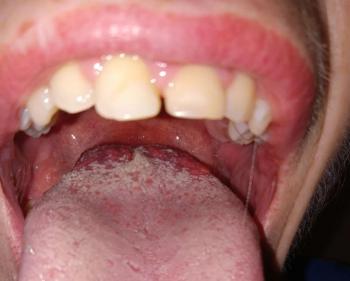
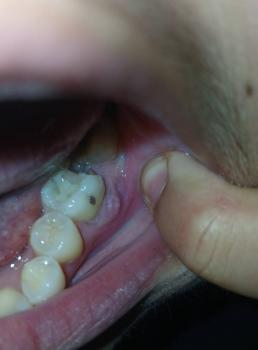
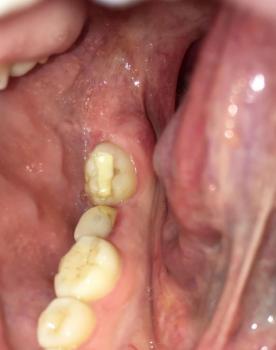
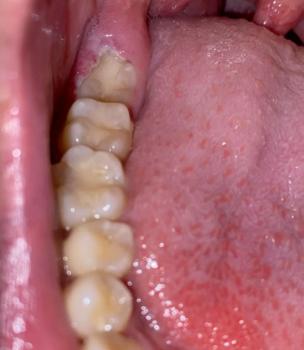
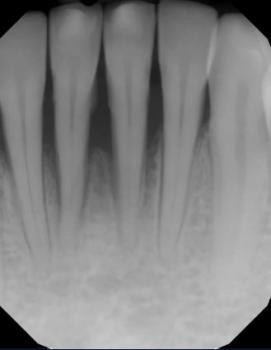
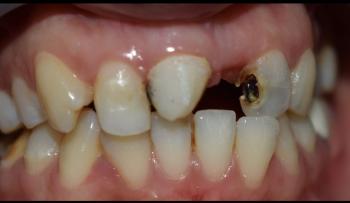
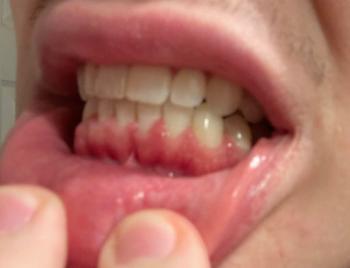
Patients with lower front gum inflammation may also experience tartar buildup, periodontal disease, gum abscesses, or tooth decay. Explore these related clinical case studies.