Missing Teeth? Find Your Smile Again.

Smoking After Tooth Extraction: Effects, Costs, and Smarter Recovery Choices
Image:
Severity:
Teeth Problems:
A Strategic Guide from a Missouri-Trained Dental Bone Graft Expert (20 Years Experience, Arizona Practice)
If you’re a smoker planning or recovering from a tooth extraction, here’s the reality I tell patients every day:
Smoking is the single most controllable factor that can turn a simple extraction into a complicated, expensive problem.
But this guide goes beyond just “don’t smoke.” You’ll learn:
- What smoking actually does to healing
- Real cost consequences (USA vs Philippines)
- Insurance and financing options
- Recovery timeline
- Where to get treatment (USA & Philippines)
Why Smoking Is So Damaging After Extraction
After extraction, your body forms a blood clot—your biological “seal.”
Smoking disrupts this in 3 major ways:
1. Mechanical Damage (Suction)
- Inhaling dislodges the clot
- Leads to dry sockette
2. Chemical Damage (Nicotine)
- Reduces blood flow
- Slows healing
3. Toxic Exposure
- Irritates tissue
- Increases infection risk
The Real Complications Smokers Face
1. Dry Socket (Most Common)
- Severe pain
- Exposed bone
- Delayed healing
2. Infection
- Swelling
- Bad taste
- Possible antibiotics
3. Bone Loss
Critical for implant patients.
4. Implant Failure
Smoking significantly lowers success rates.
Recovery Timeline: Smoker vs Non-Smoker
Non-Smoker
- Day 1–3: manageable pain
- Day 4–7: improvement
- Week 2: healing stable
Smoker (Early Smoking)
- Day 2–3: worsening pain
- Day 3–5: complications
- Week 2+: delayed healing
Expert Insight
Smoking doesn’t just slow healing—it changes the entire recovery pattern.
Additional Guide: Smoking After Tooth Extraction — Healing Risks, Warning Signs, and Recovery Tips
Why Avoiding Smoking Matters After Tooth Removal
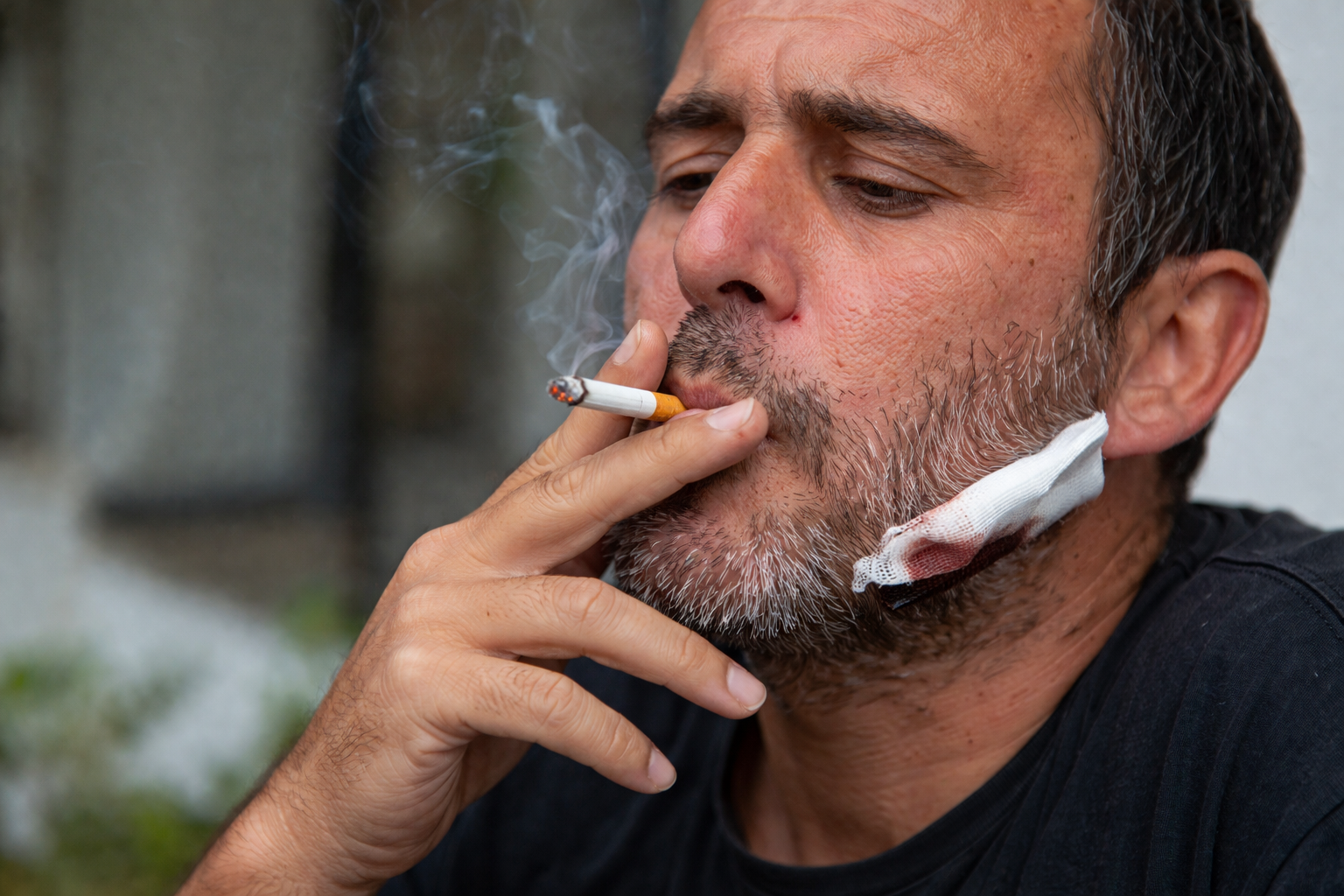
Tooth extraction creates a wound inside the mouth that needs time to heal. After the tooth is removed, a blood clot forms inside the empty socket. This clot protects the underlying bone and nerves and provides the foundation for normal healing.
Smoking during this period can interfere with recovery. Tobacco smoke contains chemicals that affect the tissues, while nicotine can constrict blood vessels and reduce blood flow. The sucking action involved in smoking may also disturb the developing clot.
These factors increase the risk of dry socket, delayed wound healing, and other postoperative complications. However, not every person who smokes will develop a complication, and symptoms alone cannot confirm the cause.
How Smoking Can Affect the Extraction Site
1. Increased Risk of Dry Socket
Dry socket, medically known as alveolar osteitis, occurs when the protective blood clot is lost or breaks down prematurely. The exposed socket can become extremely painful.
Common symptoms include:
-
Severe or worsening pain, often beginning one to three days after extraction.
-
Pain spreading toward the ear, temple, or jaw.
-
An unpleasant taste or odor.
-
A socket that appears empty or contains exposed bone.
Smoking is a recognized risk factor for dry socket. If these symptoms develop, contact your dentist promptly. Dry socket requires professional assessment and may be treated with gentle socket cleaning and a medicated dressing.
2. Slower Gum Healing
The gums need adequate blood supply and healthy tissue repair to close over the extraction site. Smoking can impair these processes, potentially prolonging discomfort and delaying healing.
The risk may be greater in people who smoke heavily or have additional factors affecting recovery, such as poorly controlled diabetes or existing gum disease.
3. Increased Risk of Postoperative Complications
Smoking is associated with impaired wound healing and an increased risk of infection following oral surgery. Watch for increasing swelling, fever, pus, or worsening pain rather than assuming every symptom is a normal part of recovery.
Dry socket and infection are different conditions. Dry socket is primarily a painful inflammatory complication and does not necessarily mean that a bacterial infection is present. Antibiotics are not routinely required for dry socket unless a dentist identifies another indication.
4. Potential Problems With Bone Grafting and Dental Implants
If your extraction is part of preparation for a dental implant, smoking deserves particular attention. Smoking is associated with poorer outcomes in implant treatment and can interfere with the healing of surrounding tissues and bone.
Patients undergoing bone grafting or implant placement should discuss smoking cessation with their dentist or oral surgeon before surgery. The recommended period of abstinence may be longer than after a simple extraction.
How Long Should You Avoid Smoking After Extraction?
There is no single waiting period that guarantees safe healing. Recommendations vary according to the procedure, the patient's health, and the dentist's postoperative instructions.
| Time after extraction | Recommended approach |
|---|---|
| First 24 hours | Do not smoke or vape. Protect the forming blood clot. |
| 24–72 hours | Continue avoiding smoking. The extraction site remains vulnerable. |
| Days 4–7 | Continue abstaining if possible; the risk of complications has not necessarily disappeared. |
| Days 8–14 | Longer abstinence supports recovery, especially after surgical extraction. |
| After two weeks | Ask your dentist when resuming smoking is appropriate if the site is still healing or you had a complex procedure. |
Practical recommendation: Avoid smoking for at least 72 hours, and preferably for one to two weeks or longer when your dentist advises it. Longer abstinence is generally better for healing. Do not interpret 72 hours as a guarantee that smoking is safe afterward.
What If You Already Smoked After Tooth Extraction?
Do not panic. Smoking once does not automatically mean that you will develop dry socket or an infection.
Instead, take these steps:
-
Stop smoking for the remainder of your recovery period.
-
Do not probe the socket with your fingers, a toothpick, or your tongue.
-
Avoid forceful spitting, vigorous rinsing, and drinking through a straw.
-
Follow your dentist's instructions for oral hygiene, food, and medication.
-
Monitor your symptoms, especially if pain begins to increase after initially improving.
After the first 24 hours, gentle warm saltwater rinses may be recommended. Allow the water to move gently around your mouth rather than vigorously swishing or spitting.
If severe pain, increasing swelling, fever, pus, or persistent bleeding develops, contact your dentist. Do not attempt to treat a suspected dry socket by inserting medication or other substances into the wound yourself.
Is Vaping Safer Than Smoking After Extraction?
Vaping should also be avoided during early recovery. Although e-cigarettes do not produce the same combustion products as traditional cigarettes, they can still deliver nicotine and expose oral tissues to irritating substances. The inhalation action may also disturb the healing site.
The safest approach is to avoid both smoking and vaping throughout the recommended recovery period.
If nicotine cravings make abstinence difficult, ask your dentist, physician, or pharmacist whether a nicotine-replacement option, such as a patch, is appropriate for you. Do not place nicotine products directly against the extraction wound.
What Helps the Extraction Site Heal Properly?
Good aftercare is important whether or not you smoke.
-
Protect the blood clot: Avoid smoking, straws, vigorous rinsing, and forceful spitting during the early healing period.
-
Eat soft foods: Choose foods such as eggs, yogurt, mashed potatoes, and lukewarm soup.
-
Maintain oral hygiene: Brush gently and avoid traumatizing the extraction site.
-
Start gentle rinsing at the correct time: Usually after the first 24 hours, unless your dentist gives different instructions.
-
Take medication as directed: Do not start antibiotics or increase painkiller doses without professional advice.
-
Attend follow-up appointments: These are particularly important after surgical extraction, bone grafting, or implant-related procedures.
When Should You Contact a Dentist?
Seek prompt dental assessment if you experience:
-
Severe pain that develops or worsens several days after extraction.
-
Pain radiating toward the ear or jaw.
-
Increasing facial swelling, fever, pus, or a persistent foul taste.
-
Bleeding that does not stop with firm, continuous pressure using clean gauze as instructed.
Seek emergency medical care immediately if you develop difficulty breathing or swallowing, or rapidly spreading swelling involving the face or neck.
Frequently Asked Questions
1. Can I smoke immediately after tooth extraction?
No. Smoking immediately after extraction can interfere with blood clot formation and increase the risk of complications. Avoid smoking for at least the first 72 hours and preferably longer.
2. What happens if I smoke 24 hours after tooth extraction?
Smoking after 24 hours still carries a risk because the socket is healing and the blood clot may be vulnerable. Stop smoking and monitor the site. Smoking does not guarantee that a complication will occur.
3. Can one cigarette cause dry socket?
One cigarette can increase risk, but it does not mean dry socket will definitely develop. Risk depends on several factors, including the extraction procedure, smoking habits, and individual healing.
4. How many days after extraction can I safely smoke?
Many postoperative instructions recommend avoiding smoking for at least 48–72 hours. A longer period, preferably one to two weeks when possible, is a more cautious approach. Your treating dentist's instructions take priority.
5. Can smoking cause dry socket even after three days?
Yes. The risk does not automatically disappear after 72 hours. Dry socket often becomes noticeable during the first several days after extraction, so continued abstinence is advisable.
6. Is vaping allowed after tooth extraction?
It is best to avoid vaping during recovery. Nicotine exposure, inhalation, and aerosol irritation may interfere with healing. Vaping should not be considered a safe substitute during the early postoperative period.
7. Can smoking cause an infection in the extraction site?
Smoking is associated with impaired healing and a higher risk of postoperative complications. However, smoking alone does not prove that an infection is present. Fever, pus, increasing swelling, or worsening pain should be assessed by a dentist.
8. Why does my extraction site hurt more after smoking?
Smoking may irritate the wound or contribute to disruption of the healing process. Increasing pain, particularly if it begins one to three days after extraction, may indicate dry socket or another complication. Contact your dentist rather than relying on pain alone to identify the cause.
9. Can I smoke if my extraction site has stopped bleeding?
No. The absence of bleeding does not mean the socket has healed. The blood clot and underlying tissues remain important during the early recovery period.
10. Does smoking affect wisdom tooth extraction differently?
Smoking is a risk factor for dry socket after tooth extraction, including wisdom tooth removal. Surgical wisdom tooth extractions may involve more extensive tissue and bone manipulation, making careful aftercare particularly important.
11. Does smoking affect dental implants after tooth extraction?
Yes. Smoking is associated with poorer implant outcomes and impaired healing. If you are planning an implant, discuss cessation before surgery and throughout the healing period with your implant dentist.
12. Should I take antibiotics if I smoked after extraction?
No, not automatically. Smoking alone is not an indication for antibiotics. A dentist should assess signs of infection and decide whether antibiotic treatment is necessary.
Cost Impact: USA vs Philippines
This is where smoking becomes financially serious.
United States (e.g., Arizona)
- Extraction: $200 – $600
- Dry socket treatment: $150 – $500
- Bone graft (if needed): $500 – $3,000
- Implant (if failure occurs): $3,000 – $6,000
Philippines
- Extraction: $50 – $150
- Dry socket treatment: $50 – $150
- Bone graft: $200 – $800
- Implant: $1,000 – $2,500
Key Takeaway
Smoking can double or triple your total dental cost—regardless of location.
Is Traveling to the Philippines Worth It?
Advantages
- Lower cost (50–70% savings)
- Experienced implant dentistse
- English-speaking professionals
Considerations
- Follow-up care required
- Travel timing during healing
- Clinic selection is critical
Best Cities for Treatment
- Manila – advanced clinics
- Cebu – best value
Best Clinics to Visit (How to Choose)
Instead of naming one “best,” focus on criteria:
Look For:
- Implant specialists (not general-only clinics)
- CBCT 3D imaging
- Bone graft experience
- International patient reviews
Red Flags:
- Extremely low pricing
- No imaging technology
- No documented cases
Insurance Coverage (USA Perspective)
Most U.S. dental insurance plans:
Examples:
- Delta Dental
- Cigna
Coverage Reality
- Extraction: partially covered
- Bone graft: sometimes covered
- Implants: often limited or excluded
Smoking Impact
Insurance does NOT cover complications caused by poor compliance.
Financing Options (Public & Private)
1. Healthcare Credit Programs
- CareCredit
- LendingClub
2. Personal Loans
- Banks
- Credit unions
3. Public Assistance (Limited)
- Medicaid (case-dependent)
- Veterans programs
Expert Advice
Financing helps—but prevention is cheaper than treatment.
Real Case from My Arizona Practice
Patient: Jason, 55
Situation:
- Smoker
- Tooth extraction
Day 2:
- Smoked despite warning
Day 3:
- Severe pain
- Dry socket
Result:
- Additional visits
- Higher cost
- Delayed implant
Lesson
The complication cost more than the original procedure.
How Long Should You Avoid Smoking?
Minimum
- 5–7 days
Ideal
- 10–14 days
Best Outcome
- Quit completely
If You Can’t Quit (Realistic Advice)
- Wait at least 72 hours
- Reduce frequency
- Avoid deep inhalation
Honest Truth
Risk is still present.
Smoking vs Vaping
Vaping is not a safe alternative.
- Still creates suction
- Still affects healing
- Still increases risk
Signs Smoking Is Causing Damage
Contact your dentist if you notice:
- Increasing pain
- Bleeding
- Bad taste or smell
- Swelling worsening
Long-Term Impact on Dental Implants
Smoking affects:
- Bone integration
- Implant stability
- Long-term success
Expert Insight
Implants and smoking are fundamentally incompatible during healing.
Psychological Reality
Many patients struggle to stop smoking.
Practical Strategy
Focus on short-term goal:
Protect healing for one week.
FAQ: Smoking After Tooth Extraction
1. Can I smoke after extraction?
Strongly discouraged, especially in the first week.
2. What happens if I smoke too early?
Higher risk of dry socket, infection, and delayed healing.
3. How long should I wait?
At least 5–7 days; ideally 10–14 days.
4. Is vaping safer?
No—it carries similar risks.
5. Will smoking affect implants?
Yes—it lowers success rates.
6. Is one cigarette okay?
No—even one can disrupt healing.
Related Topics
1. How to Prevent Dry Socket
Learn how to protect your blood clot.
2. Tooth Extraction Healing Timeline
Understand recovery stages.
3. Dental Implant Cost USA vs Philippines
Compare global treatment pricing.
Final Thoughts from a 20-Year Expert
After two decades in dental surgery and implant care, I’ve seen the same pattern over and over:
The biggest complications are not caused by the procedure—they’re caused by patient habits.
Smoking is at the top of that list.
Here’s the bottom line:
- Smoking disrupts healing immediately
- It increases cost and pain
- It reduces long-term success
But the good news is:
You control this risk.
Even a short break from smoking can dramatically improve your outcome.
And in dentistry, that difference can mean:
- Smooth recovery vs painful complication
- One procedure vs multiple treatments
- Saving money vs spending thousands more
Avoiding smoking after tooth extraction is one of the practical steps patients can take to protect the blood clot, support gum healing, and reduce the risk of dry socket.
The first 72 hours are especially important, but recovery continues beyond that period. Aim to remain smoke-free for one to two weeks or longer when advised, maintain gentle oral hygiene, and seek dental assessment if pain or swelling worsens.
Medical disclaimer: This information is for educational purposes and does not replace an examination by a licensed dentist. Healing times vary according to the procedure and the patient's health.
Suggested related reading:
Related Clinical Cases
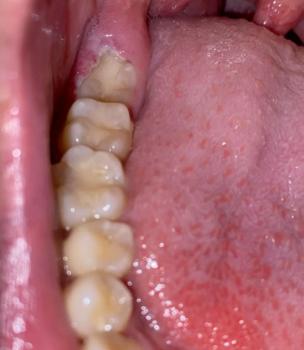
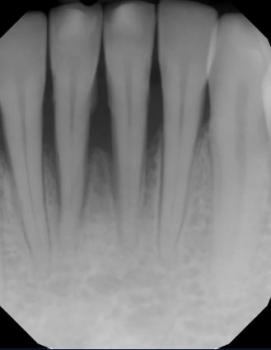
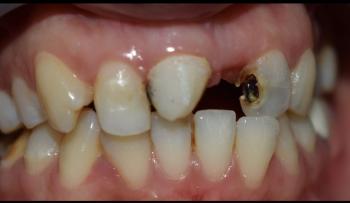
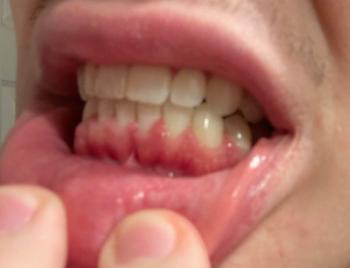
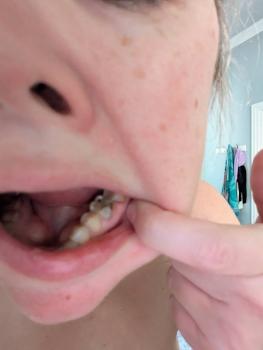
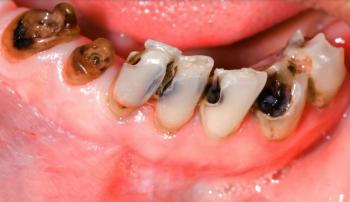
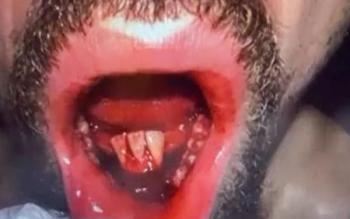
Patients with lower front gum inflammation may also experience tartar buildup, periodontal disease, gum abscesses, or tooth decay. Explore these related clinical case studies.