Missing Teeth? Find Your Smile Again.

Severe Pain After Molar Extraction: Causes, Warning Signs, and When to See a Dentist
Image:
Severity:
Teeth Problems:
Why Can a Molar Extraction Cause Severe Pain?
Some pain, tenderness, and mild swelling are expected after a molar is removed. However, severe pain that worsens instead of gradually improving deserves attention, particularly when it interferes with sleep, eating, or normal daily activities.
As a dental health professional would explain, the cause of post-extraction pain cannot be determined from pain intensity alone. The timing of symptoms, the appearance of the extraction site, and a clinical examination help identify the underlying problem.
Several conditions may explain severe pain after molar extraction:
1. Dry Socket (Alveolar Osteitis)
Dry socket is a painful complication that develops when the protective blood clot in the extraction socket is lost or breaks down prematurely. It is more common after lower molar, particularly wisdom tooth, extraction.
Symptoms often begin one to three days after extraction and may include:
-
Deep, throbbing pain that becomes more intense rather than improving.
-
Pain spreading toward the ear, temple, jaw, or nearby teeth.
-
An unpleasant taste or odor in the mouth.
-
An extraction socket that appears empty or contains exposed bone.
Dry socket is not necessarily a bacterial infection. A dentist may gently clean the socket and place a medicated dressing when appropriate. Pain relief and follow-up care are important, and antibiotics are not routinely necessary for uncomplicated dry socket.
2. Postoperative Inflammation and Surgical Trauma
Removing a molar can involve pressure on surrounding tissues, manipulation of the gum, or removal of a small amount of bone. These procedures can cause temporary inflammation, tenderness, and jaw stiffness.
Pain and swelling often peak during the first 48–72 hours and then begin to improve. More extensive surgical extractions may require a longer recovery.
However, pain that continues to intensify, returns after initially improving, or remains severe should not automatically be dismissed as normal healing.
3. Infection at the Extraction Site
An infection may develop when bacteria affect the surgical area or surrounding tissues. Possible warning signs include:
-
Increasing swelling or redness.
-
Pus or drainage from the extraction site.
-
Fever or feeling generally unwell.
-
Worsening pain accompanied by progressive swelling.
-
Increasing difficulty opening the mouth.
A dentist must assess the site to determine whether an infection is present and whether drainage, local treatment, medication, or another procedure is required. Antibiotics are appropriate for selected infections, but they do not replace treatment of the underlying dental source.
4. Retained Root Fragments or Other Local Complications
Occasionally, a small root fragment, bone fragment, or other local issue may contribute to persistent discomfort. A small bone fragment can sometimes work its way toward the surface during healing and cause localized irritation.
Not every retained fragment requires removal. A dentist evaluates its location, symptoms, and potential risks before deciding whether intervention is necessary. Dental X-rays may be recommended when the examination suggests a retained fragment or another underlying problem.
When Is Severe Pain After Extraction an Emergency?
Severe pain warrants prompt dental assessment, especially when it is worsening or not controlled by the recommended pain-relief plan.
Seek emergency medical care immediately if you develop:
-
Difficulty breathing or swallowing.
-
Rapidly spreading swelling of the face, under the jaw, or into the neck.
-
Swelling that affects the tongue or floor of the mouth.
-
Severe systemic illness, confusion, or other signs of a potentially serious infection.
Fever, pus, progressive facial swelling, or difficulty opening the mouth also require urgent assessment, particularly when several symptoms occur together.
Do not wait for a routine dental appointment if swelling is rapidly spreading or breathing or swallowing is affected.
What Should You Do About Severe Pain After Molar Extraction?
The safest approach depends on how long ago the tooth was removed and whether other symptoms are present.
During the first 24 hours:
-
Follow the extraction instructions provided by your dentist.
-
Avoid vigorous rinsing, forceful spitting, smoking, and using straws, which can disturb the blood clot.
-
Eat soft foods and avoid chewing directly over the extraction site.
-
Use a cold pack externally when recommended by your dentist.
After the first 24 hours:
-
Gentle warm salt-water rinses may help keep the area clean, provided your dentist has not advised otherwise.
-
Brush your other teeth carefully and avoid disturbing the socket.
-
Continue following your prescribed or recommended pain-relief plan.
For pain medication, follow the label or your dentist's instructions. Ibuprofen and acetaminophen (paracetamol) are commonly used after dental extraction when appropriate, but they are not suitable for everyone. Medical conditions, pregnancy, allergies, and other medications can affect which option is safe. Ask a dentist or pharmacist if you are uncertain.
Do not place aspirin, alcohol, crushed tablets, or unprescribed substances directly into the socket. These can irritate or injure the tissues.
If severe pain is worsening, contact your dentist promptly rather than increasing medication doses or trying to treat the socket yourself.
How Does a Dentist Diagnose the Cause of Pain?
A proper assessment usually includes:
-
Reviewing the timeline: When was the tooth removed? Did the pain improve before becoming severe?
-
Examining the extraction site: The dentist checks the clot, surrounding gum, drainage, tenderness, and signs of inflammation.
-
Checking for associated symptoms: Fever, facial swelling, bad taste, jaw stiffness, and difficulty swallowing may influence the urgency of care.
-
Taking dental imaging when indicated: An X-ray may help identify a retained fragment or another underlying dental problem.
-
Selecting the appropriate treatment: Treatment may involve local cleaning, a dressing for dry socket, pain management, drainage, or other targeted care.
The goal is to identify and treat the cause, rather than simply suppress the pain.
Short Patient Story: When Extraction Pain Became Worse
Illustrative educational scenario, not a report of an actual patient.
Mark had his lower molar removed after experiencing weeks of toothache. He expected some soreness and initially managed with soft foods and the pain medication recommended by his dentist.
By the third day, however, his pain had become much more intense. The discomfort spread toward his ear, and sleeping became difficult. He assumed this was part of normal healing and considered waiting several more days.
A family member encouraged him to contact his dentist. During the examination, the dentist found signs consistent with dry socket. After assessing the area, the dentist gently cleaned the socket and provided appropriate local treatment and pain-management instructions.
Mark's symptoms subsequently improved, although the timing of recovery depended on his individual healing.
The important lesson was not that every painful extraction develops dry socket. It was that worsening pain deserves reassessment instead of being ignored or treated with leftover antibiotics.
Frequently Asked Questions
1. Is severe pain normal three days after a molar extraction?
Some pain may remain on the third day, especially after a difficult extraction. However, pain that becomes more severe around days two to four, particularly when it radiates toward the ear or is accompanied by an unpleasant taste, may indicate dry socket. A dental examination is recommended to establish the cause.
2. How can I tell whether I have dry socket or an infection?
Dry socket commonly causes intense, deep pain after the blood clot breaks down, sometimes with bad breath or an unpleasant taste. An infection may cause increasing swelling, pus, fever, or systemic symptoms. These conditions can overlap, and symptoms alone cannot reliably distinguish them. A dentist should examine the site.
3. How long does severe pain after molar extraction last?
Ordinary postoperative pain generally improves over the first several days, although tenderness may persist longer after surgical extraction. Dry socket can cause substantial pain for several days and may require professional treatment. Persistent or worsening pain should be evaluated rather than managed according to a fixed timeline.
4. Can dry socket heal without treatment?
Dry socket can eventually heal as new tissue develops, but the pain can be considerable. A dentist can assess the socket, provide appropriate local treatment, and help manage discomfort. Do not attempt to scrape, probe, or pack the socket yourself.
5. Do I need antibiotics for severe pain after tooth extraction?
Not necessarily. Antibiotics do not treat the underlying clot breakdown responsible for uncomplicated dry socket. They may be indicated when a bacterial infection has spread or when other clinical findings justify them. A dentist should decide whether antibiotics are necessary.
6. What if my pain medicine is not working?
Contact your dentist promptly if pain remains severe despite taking medication as directed. Do not exceed recommended doses or combine medicines without checking that the combination is safe. Rapidly increasing swelling, difficulty swallowing, or breathing problems require emergency assessment.
7. Can food stuck in the extraction socket cause pain?
Food debris may irritate the healing area, but pain does not automatically mean food is trapped. Follow your dentist's cleaning instructions and use gentle rinsing when permitted. Avoid digging into the socket with fingers, toothpicks, or other objects.
8. When can I return to normal eating after molar extraction?
Return to normal foods gradually as pain and tenderness improve. Start with soft foods and avoid hard, crunchy, sticky, or very hot foods while the site is sensitive. The appropriate timeline depends on the complexity of the extraction and your healing progress.
Final Clinical Advice
Severe pain after molar extraction can result from normal postoperative inflammation, dry socket, infection, or another local complication. The most useful clues are whether the pain is improving or worsening, when it started, and whether additional symptoms are present.
Do not assume that every painful socket is infected, and do not assume that severe pain is normal simply because a tooth was recently removed. Timely dental evaluation can identify the cause and help prevent avoidable complications.
Medical review note: This educational content should be reviewed by a licensed dentist before publication. It is not a substitute for an individual examination or diagnosis.
Severe Pain After Molar Extraction: Is This Normal?
What Is Seen in This Case
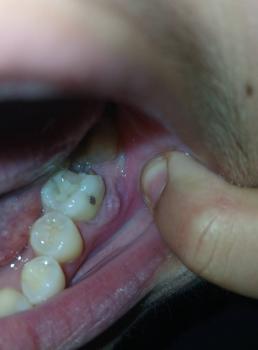
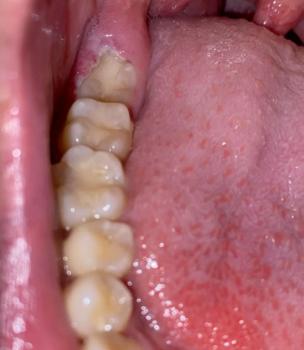
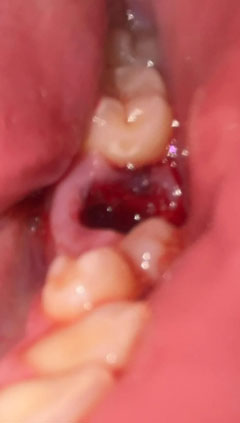
The image shows a fresh lower molar extraction site with visible blood and an open socket. This photo was taken about 1–2 hours after the tooth was removed, which explains the presence of blood and raw tissue.
At this very early stage, the socket is still forming a blood clot, which is essential for healing.
Client Concern
The client reported:
-
Severe pain shortly after extraction
-
Crying and screaming from pain
-
Worry that something may be wrong
This level of pain can be very alarming, especially for first-time extractions.
Is This Normal After 1–2 Hours
Yes — this can still be normal, but with important conditions.
In the first 1–3 hours after extraction:
-
Anesthetic may wear off suddenly
-
Pain can feel intense and sharp
-
Bleeding or oozing is expected
-
The socket will look red and raw
However, pain should be gradually controllable, not continuously worsening.
Most Likely Diagnosis at This Stage
Based on timing and appearance:
-
Normal immediate post-extraction pain
-
Fresh extraction wound with forming blood clot
-
Inflammation from surgical trauma
At 1.5 hours, this is too early to diagnose dry socket.
What Causes Severe Pain Right After Extraction
Common reasons include:
-
Local anesthesia wearing off quickly
-
Deep or difficult molar extraction
-
Bone and nerve irritation
-
Anxiety amplifying pain perception
Lower molars are among the most painful teeth to remove, especially if impacted or infected.
What Is NOT Normal (Warning Signs)
Seek urgent dental care if any of the following occur:
-
Uncontrolled bleeding soaking gauze every 20 minutes
-
Pain getting worse after 24–48 hours
-
Foul smell or taste after the first day
-
Fever or facial swelling
-
Pain radiating to ear, jaw, or neck
These may indicate dry socket or infection, but not this early.
Normal Healing Timeline After Extraction
First 24 Hours
-
Bleeding reduces gradually
-
Pain is strongest in first 6–12 hours
-
Swelling may begin
Days 2–3
-
Pain should slowly decrease
-
Blood clot stabilizes
-
Swelling peaks then improves
Days 4–7
-
Gum tissue begins closing
-
Pain becomes mild or dull
Up to 14 Days
-
Socket continues to heal
-
Gum closes more fully
What Happens If Healing Is Disturbed
If the blood clot is lost, the condition may scale up into:
-
Dry socket (severe pain 2–4 days later)
-
Bone exposure
-
Delayed healing
-
Infection
This is why aftercare is critical.
Immediate Aftercare Advice (Very Important)
What to Do Now
-
Bite firmly on clean gauze for 30–45 minutes
-
Take prescribed pain medication as directed
-
Apply cold compress on the outside of the face
-
Rest with head elevated
What NOT to Do
-
Do not rinse aggressively
-
Do not spit repeatedly
-
Do not smoke or vape
-
Do not touch the socket with tongue or fingers
Professional Comment
Severe pain 1–2 hours after a molar extraction can still be normal, especially for lower molars. What matters most is pain progression over the next 24–48 hours. If pain does not improve or worsens after Day 2, the patient must return to the dentist immediately.
When to Return to the Dentist
-
Pain is unbearable despite medication
-
Bleeding does not stop
-
Swelling increases rapidly
-
Pain worsens after 48 hours
Early follow-up can prevent complications.
Visit a Dental Clinic Near You
For urgent post-extraction evaluation and pain management, visit:
https://cebudentalimplants.com/map-dental-clinic
Related Clinical Cases
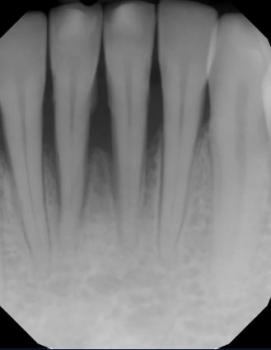
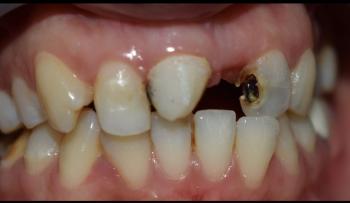
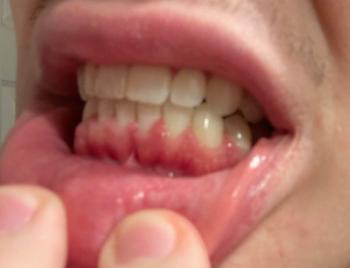
Patients with lower front gum inflammation may also experience tartar buildup, periodontal disease, gum abscesses, or tooth decay. Explore these related clinical case studies.