Smile Again with Comfort and Confidence.

Gingivitis vs. Periodontitis: How to Tell the Difference, Symptoms & Treatment
Gingivitis vs. Periodontitis: Symptoms, Stages, Treatment & Warning Signs
Gingivitis and periodontitis are both forms of gum disease, but they are not the same. Gingivitis is inflammation of the gums and is generally reversible with effective plaque control and professional care. Periodontitis is more advanced: it involves destruction of the tissues supporting the teeth, including loss of periodontal attachment and alveolar bone.
Knowing the difference can help you recognize gum disease before it threatens the stability of your teeth.
Gingivitis vs. Periodontitis: What's the Difference?
The simplest distinction is this:
Gingivitis = inflamed gums without periodontal attachment or bone loss.
Periodontitis = inflammation associated with loss of periodontal attachment and supporting bone.
Gingivitis can often be brought back to health with professional cleaning and consistent daily oral hygiene. Periodontitis cannot simply be "cured" by brushing, but professional treatment can control the disease, slow or stop progression, and help preserve the remaining tooth support.
| Feature | Gingivitis | Periodontitis |
|---|---|---|
| Gum inflammation | Yes | Yes |
| Bleeding gums | Common | Common |
| Gum swelling | Common | May occur |
| Attachment loss | No | Yes |
| Supporting bone loss | No | Yes |
| Periodontal pockets | May appear deeper because of swelling | True periodontal pockets may develop |
| Tooth mobility | Not typical | May occur |
| Tooth loss risk | Not directly from gingivitis | Increased if disease progresses |
What Is Gingivitis?
Gingivitis is the early form of gum disease.
Dental plaque accumulates around the teeth and along the gumline. The bacterial biofilm triggers an inflammatory response, causing the gums to become red, swollen, and more likely to bleed.
Common symptoms include:
-
Bleeding when brushing or flossing
-
Red or swollen gums
-
Tender gums
-
Bad breath
-
Changes in the normal shape of the gumline
-
Plaque or tartar buildup around the teeth
Importantly, gingivitis does not involve the loss of the bone and periodontal attachment that support the teeth. The condition is generally reversible when the underlying inflammation is controlled.
Can Gingivitis Turn Into Periodontitis?
It can.
Untreated gingival inflammation can, in susceptible individuals, progress to periodontitis. However, not every person with gingivitis will develop periodontitis.
Risk factors such as smoking, diabetes, oral hygiene, genetics, and individual susceptibility can influence periodontal disease risk and progression.
What Is Periodontitis?
Periodontitis is a more serious form of gum disease that damages the structures supporting the teeth.
As the inflammatory process progresses, periodontal attachment can be lost and bone around the teeth can be destroyed. Periodontal pockets may develop, making it increasingly difficult for a person to clean the affected areas at home.
Possible signs include:
-
Persistent gum bleeding
-
Deep periodontal pockets
-
Gum recession
-
Persistent bad breath
-
Pus or drainage around a tooth
-
Tooth sensitivity
-
Loose teeth
-
Teeth shifting or changing position
-
Increasing spaces between teeth
-
Bone loss visible on dental X-rays
Periodontitis is a major cause of tooth loss in adults.
Signs Your Gum Disease May Be Getting Worse
Some warning signs deserve particular attention.
1. Your Gums Bleed Easily or Spontaneously
Bleeding during brushing or flossing is commonly associated with gingival inflammation. Bleeding that persists despite good oral hygiene—or bleeding that occurs without obvious mechanical stimulation—should be evaluated by a dentist.
2. Your Teeth Feel Loose
Adult teeth should not become progressively mobile.
Increasing tooth mobility can indicate loss of supporting periodontal tissues, although other causes, including trauma or excessive biting forces, can also contribute.
3. Your Gums Are Receding
When gum tissue moves away from the tooth, more of the tooth root can become exposed.
This may cause:
-
Tooth sensitivity
-
Longer-looking teeth
-
Root exposure
-
Changes in the appearance of your smile
Gum recession can have several causes and does not automatically mean periodontitis, so professional evaluation is important.
4. Your Breath Remains Bad
Persistent bad breath can be associated with plaque, gum disease, tongue bacteria, dry mouth, and other oral or medical conditions.
If brushing and cleaning between the teeth do not resolve persistent bad breath, a dental examination can help identify the cause.
5. Your Teeth Start Shifting
Changes in tooth position, new spaces, or increasing gaps can sometimes occur when periodontal support has been compromised.
This is particularly important when tooth movement occurs together with gum bleeding, recession, or mobility.
6. You Notice Pus or Gum Swelling
Pus, localized swelling, or a painful area around a tooth may indicate an infection such as a periodontal abscess.
A sudden painful swelling should be evaluated promptly rather than treated only with mouthwash or home remedies.
Why Can Periodontitis Progress Without Much Pain?
One of the most misleading features of periodontal disease is that significant damage can occur without severe pain.
A person may feel relatively normal while inflammation and loss of supporting tissues continue.
This is why the absence of tooth pain does not necessarily mean your gums are healthy.
Regular periodontal examinations can detect changes that you cannot reliably identify at home.
How Does a Dentist Diagnose Periodontitis?
A dentist or periodontist does not diagnose periodontitis based on bleeding alone.
The examination may include:
Periodontal Measurements
A periodontal probe is used to measure the spaces around the teeth and identify areas of bleeding and abnormal pocket depth.
Clinical Attachment Assessment
Attachment levels help determine whether the tissues supporting the teeth have been lost.
Dental X-Rays
Radiographs can reveal bone loss around teeth and help determine the severity and pattern of periodontal destruction.
Tooth Mobility
The dentist may check whether teeth have abnormal movement.
Gum Recession and Other Findings
Recession, furcation involvement, tooth migration, inflammation, and other clinical findings can help determine the extent and complexity of disease.
Modern periodontal diagnosis considers the amount and pattern of attachment and radiographic bone loss along with other factors rather than relying on one measurement alone.
How Is Gingivitis Treated?
Treatment for gingivitis focuses on controlling plaque and reducing inflammation.
Your dental professional may recommend:
-
Professional dental cleaning
-
Twice-daily toothbrushing with fluoride toothpaste
-
Daily cleaning between the teeth
-
Improved brushing technique
-
Interdental brushes or floss when appropriate
-
Additional oral-care products when indicated
The American Dental Association recommends brushing twice daily and cleaning between teeth as part of effective home oral care.
How Is Periodontitis Treated?
Treatment depends on the severity, extent, and individual risk factors.
Treatment may include:
-
Professional removal of plaque and calculus
-
Improved daily plaque control
-
Scaling and root planing
-
Periodontal reassessment
-
Periodontal maintenance
-
Additional periodontal procedures when necessary
-
Surgical treatment for selected advanced cases
The goal is to control the disease and create conditions that allow the patient to maintain periodontal health. The ADA notes that nonsurgical periodontal therapy, including scaling and root planing, is an important treatment approach for periodontitis.
Why Periodontal Maintenance Matters
A person who has successfully been treated for periodontitis still has a history of periodontal disease and remains at risk for recurrence.
That is why periodontal patients may need more frequent professional maintenance visits than patients without a history of periodontitis. The appropriate interval depends on individual disease severity, risk factors, treatment response, and clinical findings.
This can be frustrating for patients who are accustomed to routine six-month dental visits. But periodontal maintenance is not simply "extra cleaning." It is part of long-term disease management.
Can You Reverse Gum Disease?
Gingivitis can generally be reversed.
Periodontitis is different. Once periodontal attachment and supporting bone have been lost, simply improving brushing does not restore all of the original support.
However, periodontitis can often be controlled and managed successfully with professional periodontal treatment, effective home care, risk-factor management, and ongoing maintenance.
What Should You Do If You Think Your Gum Disease Is Getting Worse?
Don't wait for severe pain.
Schedule a dental examination if you have:
-
Persistent bleeding gums
-
Receding gums
-
Loose or shifting teeth
-
Persistent bad breath
-
Pus around the gums
-
Increasing spaces between teeth
-
Gum swelling
-
A history of periodontal disease
Early evaluation gives your dental team an opportunity to identify the problem and determine whether you have gingivitis, periodontitis, or another condition causing your symptoms.
The Bottom Line
Gingivitis is the warning stage. Periodontitis is the destructive stage.
Gingivitis causes inflammation and bleeding but does not involve the attachment and bone loss characteristic of periodontitis. Periodontitis can destroy the tissues supporting your teeth and, when uncontrolled, can ultimately contribute to tooth loss.
If your gums bleed regularly, don't assume it is normal—and don't wait until your teeth become loose.
The earlier gum disease is identified, the better the opportunity to protect the teeth and the tissues that support them.
Related Clinical Cases
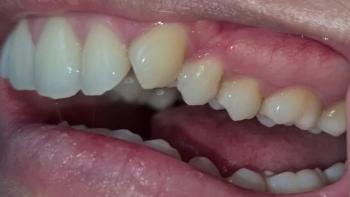
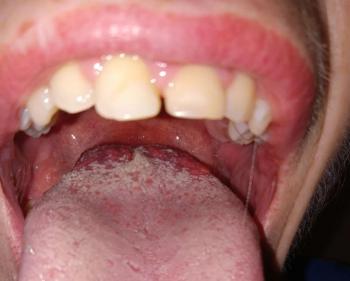
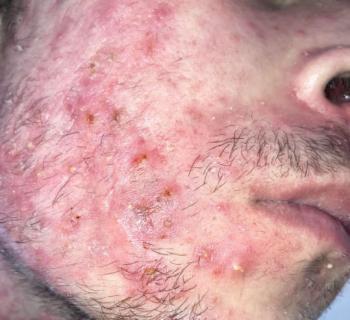
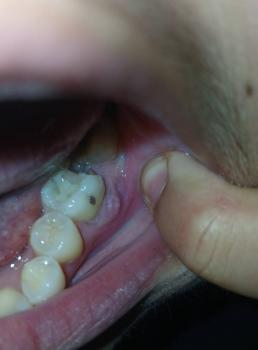
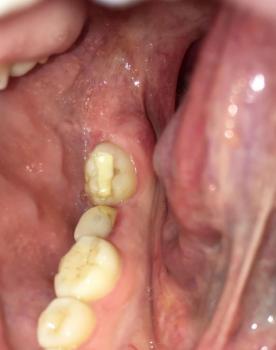
Patients with lower front gum inflammation may also experience tartar buildup, periodontal disease, gum abscesses, or tooth decay. Explore these related clinical case studies.


Other topics:
Other Dental Clinic
 |
 |
 |
 |