Because Every Tooth Deserves Care.

All-on-4 Dental Implants Cost: Materials, 3D Scanning, Digital Planning & FAQs
All-on-4 dental implants are a full-arch tooth replacement solution designed for patients who have lost most or all of their teeth in one jaw. Instead of placing an implant for every missing tooth, the treatment typically uses four strategically positioned dental implants to support a fixed full-arch restoration.
The final price depends on the implant system, prosthetic materials, diagnostic scans, laboratory work, surgical complexity, and whether additional procedures such as bone grafting or tooth extraction are required.
All-on-4 Dental Implants Cost
A typical All-on-4 treatment can vary substantially between clinics and countries. As a general guide, patients may see prices in the following ranges:
| Treatment | Typical Price Range |
|---|---|
| All-on-4, one arch | €8,000–€12,000+ |
| All-on-4, both arches | €16,000–€24,000+ |
| Temporary fixed teeth | May be included or charged separately |
| Final permanent prosthesis | May be included or charged separately |
| CBCT / 3D imaging | May be included or charged separately |
| Bone grafting | Additional cost when required |
| Tooth extraction | Additional cost when required |
Important: These are indicative price ranges rather than a fixed quotation. A dentist must assess the patient's bone volume, gum health, existing teeth, bite and overall treatment requirements before providing an accurate treatment plan.
What Is Included in the Cost?
When comparing All-on-4 quotations, patients should check whether the price includes:
-
Initial dental consultation
-
Clinical examination
-
CBCT 3D scan
-
Digital intraoral scanning
-
Implant fixtures
-
Implant surgery
-
Abutments or multi-unit abutments
-
Temporary fixed teeth
-
Laboratory fabrication
-
Final permanent full-arch prosthesis
-
Follow-up appointments
-
Adjustments and bite checks
-
Implant maintenance instructions
Two clinics can advertise similar prices while providing very different materials and levels of treatment.
Materials Used in All-on-4 Treatment
1. Titanium Dental Implants
Most All-on-4 systems use titanium implant fixtures because titanium is biocompatible and has a long history of clinical use in implant dentistry.
The implant is placed into the jawbone and becomes the foundation for the fixed restoration.
2. Implant Abutments
Specialized abutments connect the implants to the full-arch prosthesis. In All-on-4 treatment, angled or multi-unit abutments may be used to achieve the correct restorative position.
3. Acrylic or Composite Teeth
Some full-arch restorations use acrylic or composite teeth mounted on a supporting framework.
These can provide a cost-effective solution and are relatively straightforward to repair or modify.
4. Zirconia
High-strength zirconia can be used for a definitive full-arch restoration. It is known for its strength, durability and tooth-like appearance.
However, the design and material selection must be appropriate for the patient's bite, implant position and functional requirements.
5. Titanium or Metal Framework
A framework may provide structural support beneath the prosthetic teeth. The framework helps distribute chewing forces across the implant-supported restoration.
6. PMMA Temporary Prosthesis
A digitally designed PMMA or acrylic temporary restoration may be provided during the healing period before the final prosthesis is manufactured.
Why 3D Scanning Is Important
Modern All-on-4 treatment can involve several digital technologies.
CBCT 3D Scan
A CBCT scan provides three-dimensional information about the jawbone and important anatomical structures.
The dentist can evaluate:
-
Available bone volume
-
Bone height and width
-
Nerve location
-
Sinus anatomy
-
Existing teeth and roots
-
Potential implant positions
-
Anatomical limitations
This information helps the dental team plan implant placement more accurately.
Digital Intraoral Scanning
An intraoral scanner can capture a digital model of the patient's mouth.
Compared with traditional physical impressions, digital scanning can make it easier for the dental team and laboratory to:
-
Record the dental arch
-
Evaluate the bite
-
Design the temporary restoration
-
Plan the final prosthesis
-
Transfer digital information to CAD/CAM software
3D Software and Detailed Alignment
One of the major advantages of modern All-on-4 treatment is the ability to combine clinical scans with digital planning software.
The dentist and dental laboratory can use digital data to evaluate the relationship between:
Jawbone → implants → abutments → prosthetic teeth → opposing teeth → patient's bite
Digital Implant Planning
The implant positions can be virtually planned before surgery. The software can help the dental team evaluate the implant trajectory, depth and relationship to anatomical structures.
Prosthetic-Driven Planning
The objective is not simply to place four implants wherever bone is available.
The implants should be planned in relation to the final teeth whenever clinically possible.
The digital workflow can help evaluate:
-
Tooth position
-
Smile line
-
Midline
-
Occlusal plane
-
Vertical dimension
-
Implant angulation
-
Prosthetic space
-
Bite relationship
-
Facial and lip support
Detailed Alignment
Digital planning can help the dentist and laboratory align the proposed teeth with the patient's existing anatomy and opposing arch.
This is particularly important for full-arch treatment because a poorly planned restoration can affect:
-
Appearance
-
Speech
-
Chewing efficiency
-
Bite comfort
-
Implant loading
-
Long-term maintenance
Digital planning is therefore a planning and communication tool, not a guarantee of a perfect clinical result.
Typical All-on-4 Digital Treatment Workflow
Step 1: Consultation
The dentist evaluates the patient's oral health, remaining teeth, gums, bite and treatment objectives.
Step 2: CBCT Scan
A 3D CBCT scan is taken to assess the jawbone and relevant anatomy.
Step 3: Digital Intraoral Scan
The patient's dental arches and bite can be digitally recorded.
Step 4: Digital Treatment Planning
The CBCT and intraoral data may be combined within specialized planning software.
Step 5: Implant Position Planning
The dental team determines appropriate implant positions based on available anatomy and the proposed restoration.
Step 6: Temporary Teeth
A temporary fixed restoration may be designed and fabricated.
Step 7: Implant Placement
The implants are surgically placed according to the finalized clinical plan.
Step 8: Temporary Restoration
When clinically appropriate, temporary fixed teeth may be attached to the implants.
Step 9: Healing and Review
The implants and surrounding tissues are monitored during healing.
Step 10: Final Prosthesis
Once the dentist determines that the implants and tissues are ready, the definitive full-arch restoration is fabricated and fitted.
What Can Make All-on-4 More Expensive?
The advertised price may increase when additional treatment is necessary.
Potential additional costs include:
-
Multiple tooth extractions
-
Bone grafting
-
Sinus-related procedures
-
Treatment of gum disease
-
Sedation
-
Additional diagnostic imaging
-
Temporary restorations
-
Premium implant systems
-
Zirconia final restorations
-
Complex bite correction
-
Replacement of an existing failed implant restoration
Patients should therefore ask for a complete written treatment quotation, rather than comparing only the headline All-on-4 price.
All-on-4 vs Individual Implants
All-on-4 is not simply four conventional implants replacing four teeth.
The four implants are intended to support a full-arch prosthesis.
For a patient missing many teeth, this approach can reduce the number of implants required compared with replacing every missing tooth individually.
However, the best treatment depends on the patient's anatomy, oral health, expectations and long-term goals.
Frequently Asked Questions About All-on-4 Dental Implants
How much does All-on-4 cost?
The cost varies by clinic, country, implant system, prosthetic material and treatment complexity. A one-arch All-on-4 restoration may commonly fall around €8,000–€12,000+, but patients should obtain an individualized quotation.
Does the price include the final teeth?
Not always. Some packages include temporary and final teeth, while others quote them separately. Always ask whether the advertised price includes the definitive full-arch prosthesis.
Are implants included in the All-on-4 price?
They should be clearly listed in the quotation. Ask which implant brand and model will be used and whether abutments are included.
What materials are used for All-on-4 teeth?
Depending on the treatment plan, restorations may use acrylic, composite, PMMA, a metal or titanium framework, or zirconia. The appropriate material depends on functional, aesthetic and clinical considerations.
Do I need a 3D scan before All-on-4?
A CBCT scan is commonly used for implant assessment and planning. It provides three-dimensional information that cannot be obtained from a conventional dental X-ray alone.
Why is 3D scanning important?
It allows the dental team to evaluate bone anatomy and important structures and can support more detailed implant planning.
Can All-on-4 be digitally planned?
Yes. CBCT data and digital intraoral scans can be integrated into specialized software to help plan implant positions and the proposed prosthetic teeth.
Does digital planning guarantee perfect implant placement?
No. Digital planning improves visualization and treatment preparation, but clinical anatomy, surgical conditions and other factors can affect the final result.
Can I get fixed teeth immediately?
Some patients may receive a temporary fixed restoration soon after implant placement, sometimes referred to as immediate loading. However, this is not appropriate for every patient. Implant stability and other clinical factors must be evaluated by the dentist.
Is All-on-4 suitable if I have bone loss?
It may be possible in some patients with reduced bone volume because the treatment uses strategically positioned implants. However, significant bone loss may require additional treatment or a different implant approach.
How long do All-on-4 implants last?
Dental implants can provide long-term tooth replacement, but longevity depends on factors such as oral hygiene, smoking, gum health, bite forces, maintenance and regular professional reviews. The prosthetic teeth may require repair, adjustment or replacement before the implants themselves.
What should I ask before accepting an All-on-4 quotation?
Ask:
-
Is the price for one arch or both arches?
-
Which implant brand is being used?
-
Are abutments included?
-
Is the CBCT scan included?
-
Is digital scanning included?
-
Are temporary teeth included?
-
Is the final prosthesis included?
-
What material will the final teeth use?
-
Are extractions included?
-
Could bone grafting or other procedures increase the price?
-
How many follow-up visits are included?
-
What happens if the temporary or final restoration needs adjustment?
Final Advice for Patients
All-on-4 treatment should be evaluated as a complete treatment plan, not simply as a package price.
The most useful comparison is to look at the implant system, surgical treatment, digital planning, temporary restoration, final prosthetic material, laboratory work and aftercare together.
A lower advertised price is not necessarily the better value if important components are excluded. Before treatment, request a written quotation showing exactly what is included, what materials will be used and what additional costs could arise.
Related Clinical Cases
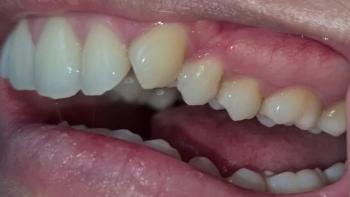
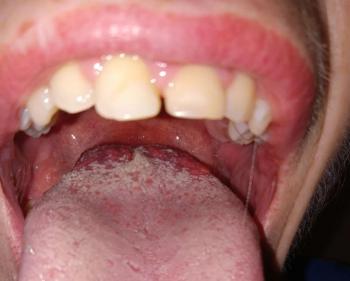
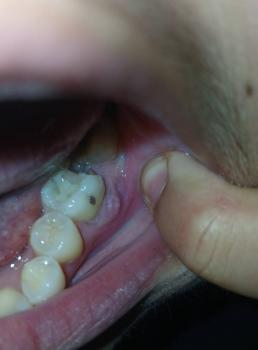
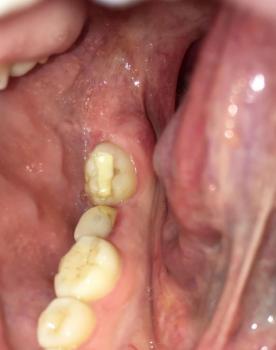
Patients with lower front gum inflammation may also experience tartar buildup, periodontal disease, gum abscesses, or tooth decay. Explore these related clinical case studies.