Modern Dentistry, Timeless Smiles.

Why Do My Teeth Hurt? Common Causes, Toothache at Night & Relief
Why Teeth Hurt: Core Causes
Tooth pain is a clear signal that the living tissue inside or surrounding your tooth (the pulp, nerves, or periodontal ligament) is inflamed or infected. Common structural and medical triggers include:
-
Deep Tooth Decay & Irreversible Pulpitis: Untreated cavities breach the hard enamel and dentin layers, exposing the soft inner pulp to bacteria. When this nerve center becomes acutely inflamed, it triggers sharp, spontaneous pain.
-
Dental Abscess: A severe bacterial infection that forms at the tip of the root or in the surrounding gums, often producing constant throbbing, pus, facial swelling, and fever.
-
Cracked or Fractured Tooth: Structural micro-cracks can pinch or expose the inner nerve intermittently under biting pressure or temperature shifts, making the tooth highly unpredictable.
-
Bruxism (Teeth Grinding): Unconscious nighttime clenching or grinding strains the periodontal ligaments and jaw joints, leading to generalized soreness and hypersensitivity by morning.
-
Sinus Pressure: Maxillary (upper) back teeth share close anatomical nerve pathways with your sinuses. Inflammation or congestion in the sinus cavities can create downward pressure that mimics an upper-toothache.
Why Toothaches Intensify at Night
It is not your imagination—tooth pain routinely feels sharper, more persistent, and more agonizing when you try to sleep. This nighttime spike is driven by distinct physiological and environmental factors:
-
Increased Blood Pressure to the Head: When you lie flat horizontally, gravitational pull shifts slightly, increasing blood flow and vascular pressure inside your head and facial tissues. If a tooth is already inflamed, this extra internal pressure pushes directly against exposed nerves, creating a relentless throbbing sensation.
-
Fewer Sensory Distractions: During the day, multitasking, work, conversation, and physical movement act as natural cognitive distractions. At night, in a quiet, dark room, those distractions vanish, leaving your brain hyper-focused on internal discomfort.
-
Late-Night Eating and Plaque Activity: Consuming sugary or acidic snacks late in the evening leaves microscopic food residues trapped between teeth. Oral bacteria metabolize these sugars rapidly, producing acids that aggravate exposed cavities or sensitive areas if you skip brushing.
-
Nocturnal Bruxism: Many individuals grind or clench their jaws heavily during sleep without realizing it, compounding the mechanical stress on already compromised teeth.
Temporary Home Relief Strategies
If you are stuck through the night and waiting to see a dental professional, these measures can help manage symptoms safely:
-
Elevate Your Head: Prop your upper body and head up with extra pillows. Keeping your head above your heart reduces localized blood pooling and vascular pressure in the jaw.
-
Over-the-Counter (OTC) NSAIDs: Non-steroidal anti-inflammatory drugs like ibuprofen help target the underlying inflammatory response causing the pressure, provided you adhere strictly to package dosing instructions.
-
Cold Compress: Apply an ice pack wrapped in a cloth to the outside of your cheek for 15-minute intervals. This constricts local blood vessels and temporarily numbs acute pain signals.
-
Warm Saltwater Rinse: Gently swish a warm saline solution to cleanse the area, reduce mild tissue inflammation, and dislodge any trapped food debris. Avoid direct placement of aspirin or harsh chemical gels against the gum tissue, as this can cause chemical burns.
When to Seek Emergency Dental Care
While mild sensitivity to cold or sweets warrants a scheduled dental appointment, certain red flags indicate an urgent or potentially dangerous infection requiring immediate professional intervention:
-
Pain severe enough to continuously prevent sleep or normal daily functioning
-
Visible facial swelling, swollen gums, or a small pimple-like bump (fistula) on the gum line
-
Fever, chills, or a general feeling of systemic illness
-
Difficulty swallowing, breathing, or opening your mouth fully
Persistent or worsening nighttime tooth pain rarely resolves on its own. Prompt clinical evaluation—often involving localized digital imaging—allows a dentist to identify whether you need a simple filling, a protective crown, a night guard, or root canal therapy to save the tooth.
Are you currently experiencing any swelling, fever, or pain triggered by hot or cold items?
Related Clinical Cases
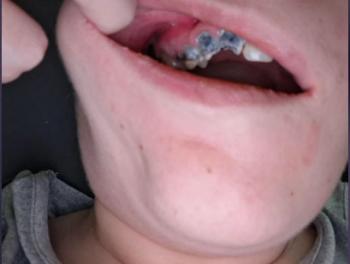
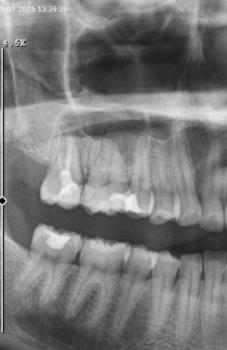
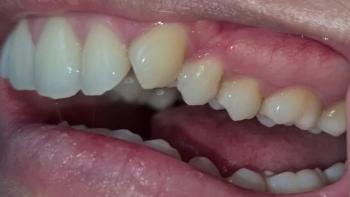
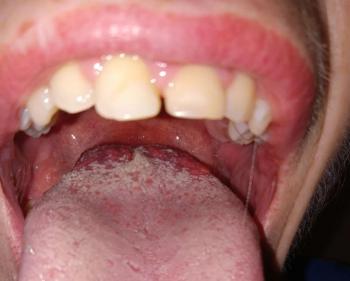
Patients with lower front gum inflammation may also experience tartar buildup, periodontal disease, gum abscesses, or tooth decay. Explore these related clinical case studies.



Other topics:
Other Dental Clinic