Healthy Teeth, Happy Life.

The Orthodontic Practice - Malta: Professional Orthodontic Care for Confident, Healthy Smiles

Countries :
Location Clinic:
Telephone / Mobile :
+356 9928 7702
Stats Visitors:
Messenger: https://web.facebook.com/p/The-Orthodontic-Practice-Malta-61557167233837/
The Orthodontic Practice – Malta: Expert Orthodontics for Beautiful, Healthy Smiles
About The Orthodontic Practice – Malta: The Orthodontic Practice – Malta is a dental clinic specializing in orthodontic care, offering tailored treatment plans to help patients achieve properly aligned, healthier, and more beautiful smiles. Led by experienced professionals such as Dr. Brenda Lee Cutajar, the clinic provides a range of orthodontic services including traditional braces, clear aligners, and customized corrective solutions designed for both teens and adults.
Located in Rabat, Malta, the practice emphasizes personalized care, modern orthodontic techniques, and long-term oral health outcomes for patients who want lasting, reliable results. Whether addressing bite issues, crooked teeth, or planning a comprehensive smile transformation, The Orthodontic Practice takes a professional but patient-centered approach to treatment.
Orthodontic Care, Healthy Teeth, and a Beautiful Smile
1. Why Orthodontic Treatment Is About More Than Appearance
A beautiful smile begins with healthy teeth, healthy gums, and a properly functioning bite. Orthodontic treatment helps correct crowded teeth, unwanted gaps, protruding teeth, and bite problems such as overbite, underbite, and crossbite.
When teeth are aligned appropriately, some patients may find brushing and flossing easier. Correcting certain bite problems may also improve chewing function and reduce the risk of damage to prominent teeth. However, orthodontic treatment does not guarantee perfect oral health or eliminate every dental problem.
According to the NHS, orthodontic treatment should be planned according to each patient's dental development, bite, oral health, and treatment needs.
2. Choosing the Right Orthodontic Treatment
The best treatment depends on the patient's dental condition, age, oral hygiene, and personal goals.
-
Traditional metal braces: Fixed appliances that gradually move teeth and can address many alignment and bite problems.
-
Ceramic braces: Tooth-coloured brackets that provide a less noticeable alternative to metal braces.
-
Clear aligners: Removable transparent trays that can correct selected alignment problems when worn as prescribed.
-
Early orthodontic assessment: Evaluation of children's developing teeth and jaws to identify problems that may benefit from timely intervention.
-
Retainers: Removable or fixed appliances used after active treatment to help prevent teeth from shifting.
Not every patient is suitable for every option. A qualified dental professional should assess the teeth, gums, bite, and supporting bone before recommending treatment.
3. How to Protect Your Teeth During Braces Treatment
Orthodontic appliances can trap food and plaque, increasing the risk of tooth decay, gum inflammation, and permanent white marks on the enamel if cleaning is inadequate.
Patients should follow these essential preventive measures:
-
Brush thoroughly twice daily with fluoride toothpaste, and clean around brackets and along the gumline carefully.
-
Use interdental brushes or other cleaning aids recommended by the dental team.
-
Limit frequent sugary snacks and drinks, including sweetened beverages.
-
Avoid hard, sticky, or chewy foods that may damage fixed braces.
-
Attend scheduled orthodontic appointments and continue regular general dental check-ups.
-
Wear removable aligners and retainers according to the clinician's instructions, cleaning them as directed.
If gums become persistently swollen or bleed regularly, arrange a dental assessment rather than assuming the symptoms are simply caused by braces.
4. What Happens During an Orthodontic Consultation?
A professional consultation typically includes a review of dental and medical history, an examination of the teeth and gums, an assessment of the bite, and photographs or dental imaging when clinically indicated.
The orthodontic professional then discusses suitable treatment options, expected benefits, potential risks, estimated duration, fees, and follow-up requirements.
Active treatment may take several months to a few years, depending on the complexity of the case and the patient's response. No responsible dentist can guarantee an exact completion date before assessing the individual case.
Before treatment begins, patients should understand that tooth movement is a biological process requiring careful monitoring. Moving teeth without appropriate supervision can damage teeth, gums, or supporting bone.
5. A Short Patient Story: The Journey to a Confident Smile
Illustrative fictional story for educational purposes.
Maria, an adult professional living in Malta, felt self-conscious about her crowded front teeth. She wanted a more attractive smile but was also concerned about keeping her teeth clean and maintaining a healthy bite.
During her orthodontic consultation, the dental professional examined her teeth and gums, assessed her bite, and explained the available treatment options. Maria learned that choosing braces or clear aligners involved more than deciding which option looked better.
Together, they developed a treatment plan suited to her dental condition and lifestyle. Maria improved her brushing routine, attended her scheduled appointments, and followed the instructions for her orthodontic appliance.
After completing active treatment, she was advised to wear her retainer as directed and continue regular dental examinations.
Her experience illustrates an important principle: a beautiful smile is not created by appearance alone. It develops through careful diagnosis, appropriate treatment, good oral hygiene, and long-term maintenance.
6. When Should You Seek Dental Advice?
Contact your dentist or orthodontist if you experience persistent tooth pain, significant gum swelling, a broken appliance, or discomfort that does not improve after the expected adjustment period.
Seek urgent dental care for rapidly increasing facial or oral swelling, particularly when accompanied by fever or suspected infection. Difficulty breathing or swallowing requires emergency medical attention.
Orthodontic treatment is generally planned for patients with adequately controlled tooth decay and gum disease. Existing dental problems should be assessed and treated as necessary before or during orthodontic care.
7. Frequently Asked Questions
Can adults improve their smiles with braces?
Yes. Adults can receive orthodontic treatment when their teeth and supporting tissues are suitable. Gum disease, bone loss, missing teeth, and previous dental restorations may influence the treatment plan.
Are clear aligners better than traditional braces?
Neither option is universally better. Clear aligners may suit selected cases and patients who can wear them consistently. Fixed braces may be preferable for some complex tooth movements. A clinical examination determines the most appropriate option.
Does orthodontic treatment hurt?
Mild soreness, pressure, or tenderness can occur after braces are fitted or adjusted, and when changing aligner trays. This generally improves over several days. Severe or persistent pain should be assessed by a dental professional.
How long does orthodontic treatment take?
Treatment commonly takes around 12–30 months, although simpler or more complex cases may fall outside this range. The duration depends on the diagnosis, treatment method, biological response, and patient cooperation.
Why are retainers necessary?
Teeth can shift after braces are removed because the surrounding tissues need time to adapt and teeth naturally change position over life. Wearing retainers as instructed helps maintain the result. Long-term or lifelong retention may be recommended.
Can braces damage teeth?
Braces do not automatically damage teeth, but inadequate plaque control can lead to decay, gum inflammation, and white enamel spots. Excessive or poorly controlled tooth movement can also cause complications. Professional supervision and good oral hygiene are essential.
How often should I visit the dentist during orthodontic treatment?
Follow the appointment schedule provided by your orthodontist and maintain regular check-ups with your general dentist. The appropriate interval depends on your oral health, individual risk factors, and treatment needs.
Conclusion: Building a Beautiful Smile Through Professional Care
Orthodontic treatment can improve tooth alignment, bite function, and smile appearance when it is appropriately planned and monitored. The most successful approach combines an individual assessment, realistic expectations, excellent oral hygiene, regular professional reviews, and consistent retainer use after treatment.
A healthy smile is a beautiful smile. Whether you are considering braces for the first time or maintaining your results, professional dental advice can help you make informed decisions about your oral health.
Medical Disclaimer
This article is intended for general educational purposes and does not replace an individual examination, diagnosis, or treatment plan from a qualified dentist or orthodontist. Treatment suitability, risks, and expected outcomes vary between patients.
“Straightening Smiles, Enhancing Confidence.”
Comprehensive Orthodontic Services
At The Orthodontic Practice – Malta, orthodontic expertise is at the heart of dental care. The clinic offers a broad spectrum of orthodontic services aimed at improving alignment, bite function, and overall oral health.
Comprehensive Orthodontic Examination
Every treatment starts with a detailed orthodontic assessment. This includes thorough dental evaluation, jaw analysis, bite evaluation, and imaging to understand the underlying structure of the teeth and jaw. A personalized care plan is then created to address specific concerns and goals.
Traditional Metal Braces
Traditional braces remain one of the most effective methods for correcting complex alignment issues. These braces apply gentle pressure over time to guide teeth into their proper positions. At The Orthodontic Practice, modern bracket systems are used to maximize comfort while delivering efficient results.
Ceramic and Aesthetic Brackets
For patients concerned about appearance, ceramic or tooth-colored braces offer a more discreet alternative to metal braces. These braces blend with tooth color while providing the same reliable corrective benefits.
Clear Aligners
Clear aligner therapy is a modern, removable orthodontic solution that allows patients to straighten teeth with minimal visibility. Customized transparent trays are designed to move teeth gradually into position. This option is especially popular among adult patients seeking discreet treatment.
Early Intervention Orthodontics
Recognizing the importance of early treatment, The Orthodontic Practice also offers care for younger patients whose developing teeth and jaws may benefit from early guidance. Early interception can prevent more serious issues later in life.
Bite Correction & Functional Orthodontics
Orthodontics isn’t just about straight teeth—it’s about how teeth function together. The clinic offers solutions for malocclusion (poor bite), crossbite, overbite, and underbite to improve chewing function and reduce strain on jaw muscles and joints.
Retention & Maintenance
Once active orthodontic treatment is complete, retainers are essential to maintain the corrected position of teeth. Custom retainers are fitted to ensure the long-term stability of your new smile.
Orthodontics for Adults
Orthodontic treatment isn’t just for children and teens. Many adults seek orthodontic care to improve appearance, oral health, and comfort. The Orthodontic Practice provides tailored plans that respect the unique needs and lifestyles of adult patients.
Advanced Treatment Planning
Every case is carefully planned using the latest diagnostic tools to anticipate tooth movement, manage treatment duration, and achieve optimal results. Patient comfort and clinical precision remain top priorities.
A Short Story — The Journey to a Confident Smile
Everyone’s dental journey is unique, but many share the same desire: a confident, radiant smile. At The Orthodontic Practice – Malta, the story of every patient begins with a single step — an initial visit that opens the door to life-changing care.
From the moment patients enter the clinic, they encounter a welcoming environment that eases the intimidation often associated with dental and orthodontic care. The team understands that choosing orthodontic treatment can feel overwhelming — after all, it’s a long-term commitment, and each individual’s needs differ greatly. With careful listening and thorough explanations, the professionals here ensure patients feel informed, respected, and confident.
The journey often begins with concerns about crooked or crowded teeth. Patients may have struggled with self-consciousness in social situations, discomfort while chewing, or the effects of misaligned teeth on overall oral health. Others come with a desire to enhance their smile for upcoming life events — weddings, graduating, professional milestones, or simply seeking a boost in confidence.
During the initial consultation, the orthodontist reviews the patient’s dental history, conducts clinical examinations, and often takes digital images or X-rays. These diagnostic tools reveal the underlying structure of the jaw and alignment challenges that aren’t always visible to the naked eye. This comprehensive approach ensures that treatment planning isn’t based on appearance alone, but on functional precision.
Once a personalized plan is crafted, the next phase begins: active treatment. For many teenagers and adults, traditional metal braces offer dependable results. These braces steadily guide teeth into alignment, working quietly over months to deliver a transformation that’s both measurable and meaningful. Patients often express surprise at how quickly they adapt, especially once they begin seeing progress.
For those seeking a more discreet option, clear aligner therapy becomes the centerpiece of their journey. Each tray brings incremental improvement, and patients appreciate the ability to remove them for eating or special occasions. While the aligners are nearly invisible, the change they bring is unmistakable as time passes.
As treatment progresses, the practice ensures patients stay comfortable and educated. Regular adjustment appointments are opportunities for feedback, question-answer sessions, and encouragement. Orthodontic care isn’t just about mechanics — it’s about empowering patients to take control of their oral health in a supportive setting.
Once active treatment is complete, retention begins — an equally important phase. Teeth, like any living structure, can shift. Retainers help preserve the smile’s new alignment, ensuring patients enjoy their results for years to come. Families and individuals often remark that the journey not only changed their teeth, but also boosted their self-esteem and quality of life.
Many patients return to share their success — stories of friends noticing their smile, of newfound confidence at work or in social circles. These testimonials, shared online and in the clinic’s memory, reflect the genuine impact orthodontic care can have beyond the clinical setting.
Every smile has a story, and at The Orthodontic Practice – Malta, each one is treated with care, excellence, and a commitment to lasting results.
Frequently Asked Questions (FAQ)
Q: What types of orthodontic treatments are offered?
A: The Orthodontic Practice provides traditional braces, clear aligners, and aesthetic bracket options to meet various alignment needs.
Q: At what age should orthodontic treatment start?
A: Orthodontic evaluation can begin in childhood, but treatment plans are tailored to individual needs and can benefit teens and adults alike.
Q: How long does orthodontic treatment take?
A: Treatment length varies by case — typically between one and two years, depending on complexity and chosen method.
Q: Are braces or aligners more effective?
A: Both are effective; the choice depends on treatment goals, severity of misalignment, and lifestyle preference.
Q: Do orthodontic treatments hurt?
A: Some discomfort is normal after adjustments, but it is usually mild and temporary.
Q: Are retainers necessary after treatment?
A: Yes, retainers are crucial to maintain tooth alignment once active treatment ends.
Patient Reviews
“I couldn’t believe how much my smile improved. The care was professional and friendly.”
“My aligner treatment was discreet, comfortable, and efficient. Highly recommended.”
“From my first visit, every concern was listened to and explained clearly.”
Invite to Visit Your Dentist Every 4 to 6 Months
Healthy teeth and gums are foundational to overall well-being. Regular check-ups, ideally every four to six months, are a proactive way to maintain oral health and prevent problems before they become serious. Even for patients undergoing orthodontic treatment, these intervals help ensure treatment stays on track and oral hygiene remains optimal.
Routine dental visits allow your orthodontist or dentist to monitor the alignment process, check for signs of gum irritation, plaque buildup, and other concerns that could impact orthodontic progress. Early detection and intervention save time, discomfort, and potentially greater expense in the future.
Moreover, regular visits reinforce healthy habits. Brushing and flossing remain essential, especially with braces or aligners, as it’s easier for food particles and plaque to accumulate around appliances. A dental professional can guide proper techniques that complement your orthodontic care.
These appointments also serve as opportunities to update X-rays and imaging, allowing your dental team to assess movement, adjust plans, and anticipate next steps tailored to your smile’s progress.
Visiting the clinic every few months encourages a partnership between you and your dental care provider. You stay informed, engaged, and confident in your care. This collaborative approach ensures that your smile journey is consistent, comfortable, and effective.
A healthy smile boosts confidence, improves chewing and speech, and contributes to overall quality of life. Don’t wait for pain or visible issues to seek care — regular check-ups make all the difference in long-term oral health.
Come Visit in Our Clinic — Expert Advice
Your teeth are important. A confident smile contributes to your health, social presence, and quality of life. Whether you’re at the beginning of your orthodontic journey or maintaining beautiful results, The Orthodontic Practice – Malta is here to support your dental care goals. Book your visit today and take a proactive step toward lasting oral health.
Location:
Related Clinical Cases
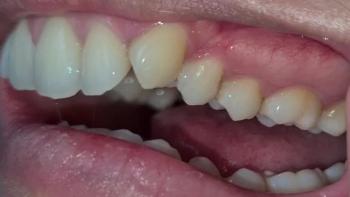
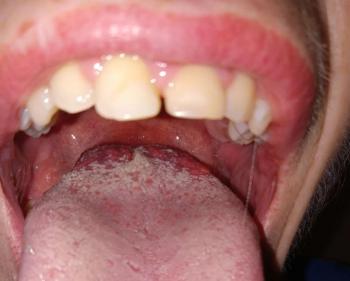
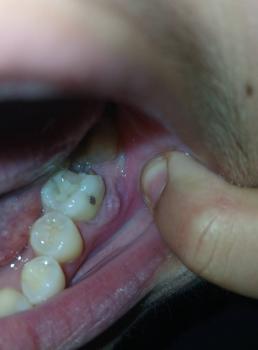
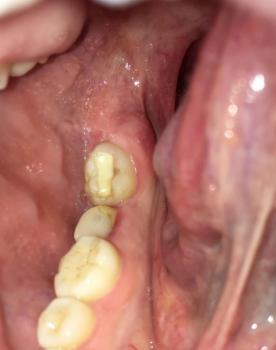
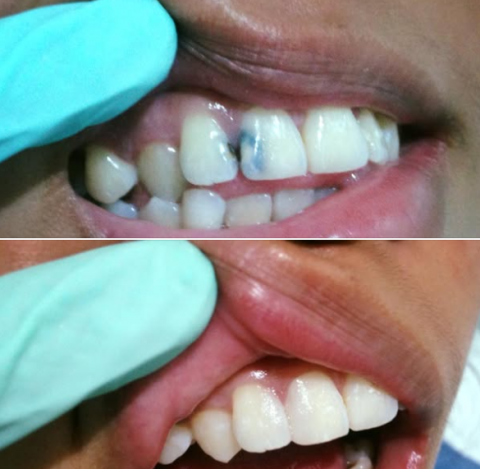
Patients with lower front gum inflammation may also experience tartar buildup, periodontal disease, gum abscesses, or tooth decay. Explore these related clinical case studies.



Other topics:
Other Dental Clinic
 |
 |
 |
 |