Building Confidence One Smile at a Time.

Gum Inflammation and Gingivitis Case Analysis With Healing Timeline
Image:
Severity:
Teeth Problems:
Clinical Guide: Plaque-Induced Gingivitis, Gum Inflammation, and Recovery
Understanding the Clinical Findings
Plaque-induced gingivitis is an inflammatory response of the gum tissues to dental plaque, a sticky bacterial biofilm that accumulates around the teeth and along the gumline. When plaque is not removed effectively, the gums may become red, swollen, tender, and prone to bleeding during brushing or flossing.
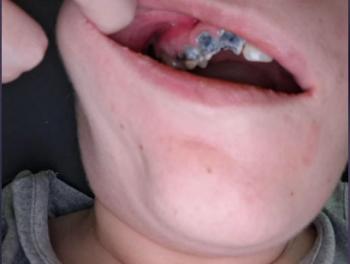
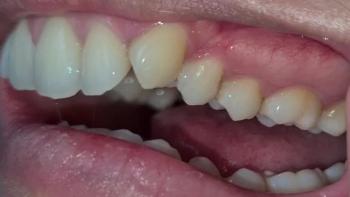
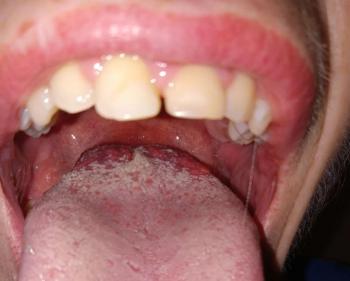
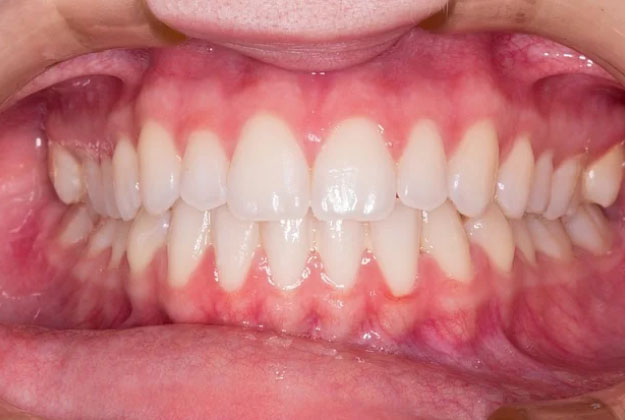
In a case showing generalized gum-margin redness and swelling with visible plaque accumulation, plaque-induced gingivitis is a reasonable provisional diagnosis. However, a clinical examination is necessary to determine the severity of the inflammation and whether periodontal attachment or supporting bone has been affected.
Important clinical distinction: Gingivitis affects the gums without the attachment and bone loss characteristic of periodontitis. Healthy-looking tooth enamel does not necessarily mean the supporting periodontal tissues are healthy.
Why Do Gums Become Inflamed Even When Teeth Look Clean?
Dental plaque can be difficult to see, particularly between the teeth and beneath the gum margins. Bacterial biofilm triggers an inflammatory response that increases blood flow and makes the gum tissues more vulnerable to bleeding.
If plaque remains undisturbed, it can mineralize into calculus, commonly called tartar. Once calculus develops, ordinary brushing cannot reliably remove it, and professional dental cleaning is necessary.
Other factors may contribute to gum inflammation or bleeding, including smoking, diabetes, certain medications, hormonal changes, and inadequate cleaning around crowded teeth or dental restorations.
Evidence-Based Treatment and Recovery Timeline
Stage 1: Dental Assessment and Plaque Removal — First Visit
A dentist should assess gum color, swelling, bleeding, plaque and calculus deposits, and periodontal pocket depths. Periodontal measurements help determine whether the condition is limited to gingivitis or whether further investigation for periodontitis is needed.
Professional scaling removes plaque and calculus that cannot be removed with a toothbrush. Polishing may be performed when appropriate. Additional periodontal treatment is considered if deeper pockets or attachment loss are identified.
Stage 2: Daily Plaque Control — Days 1–7
Patients should follow a consistent home-care routine:
-
Brush twice daily for two minutes with a soft-bristled toothbrush and fluoride toothpaste.
-
Clean between the teeth every day with dental floss or appropriately sized interdental brushes.
-
Use gentle, systematic brushing along the gumline rather than scrubbing aggressively.
-
Follow the dentist's instructions for any prescribed antimicrobial mouthrinse.
-
Avoid smoking and tobacco products, which can worsen periodontal health.
Brushing and interdental cleaning work together to disrupt plaque before it hardens into calculus.
Stage 3: Monitoring Gum Response — Days 7–14
When plaque-induced gingivitis is the main problem and plaque control is effective, gum redness, swelling, and bleeding often begin to improve over several days and may improve substantially within one to two weeks.
Recovery varies according to the initial severity of inflammation, the amount of calculus present, daily cleaning effectiveness, and individual health factors. A two-week timeline is a useful guide, not a guarantee of complete recovery.
Persistent bleeding, swelling, or tenderness warrants a dental reassessment rather than simply extending home treatment.
Stage 4: Long-Term Prevention — Beyond Two Weeks
Gum health requires ongoing maintenance because plaque forms continuously. Continue twice-daily brushing and daily interdental cleaning, and attend dental examinations and professional cleaning at intervals recommended for your individual risk.
Patients with a history of periodontitis, diabetes, smoking, or persistent periodontal pockets may need closer monitoring.
What Happens if Gingivitis Is Left Untreated?
Persistent plaque-induced gingivitis can increase the risk of developing periodontitis in susceptible individuals. Periodontitis involves damage to the tissues and bone supporting the teeth and may eventually cause gum recession, deep periodontal pockets, tooth mobility, and tooth loss.
However, progression is not inevitable, and there is no reliable rule that gingivitis becomes periodontitis after a fixed number of days. The risk depends on individual susceptibility, plaque control, and other contributing factors.
Practical Home-Care Checklist
Use this checklist to support daily gum care:
-
Brush twice daily for two minutes with fluoride toothpaste.
-
Clean between teeth once daily.
-
Avoid aggressive brushing and hard-bristled toothbrushes.
-
Use mouthrinse only as an appropriate adjunct to mechanical cleaning.
-
Schedule a dental assessment if bleeding or swelling persists.
-
Seek prompt dental care for severe pain, pus, facial swelling, or loose teeth.
Frequently Asked Questions About Gingivitis and Gum Inflammation
1. Can gingivitis be completely reversed?
Yes. Plaque-induced gingivitis can usually be reversed with effective plaque removal and appropriate professional care, provided that periodontitis or another underlying condition has not developed. Continued daily cleaning is essential to prevent recurrence.
2. Why do my gums bleed when I brush even though my teeth look white?
White tooth surfaces do not rule out gum disease. Plaque may collect around the gumline or between teeth without being obvious. Inflamed gum tissue is more likely to bleed when touched. Persistent bleeding should be assessed by a dentist.
3. How long does it take for swollen gums to heal after professional cleaning?
Many patients notice improvement within several days, with substantial improvement often occurring over approximately 7–14 days. Healing depends on the severity of inflammation, the presence of other periodontal problems, and the effectiveness of home care.
4. Should I stop brushing if my gums bleed?
Generally, no. Continue gentle brushing with a soft-bristled toothbrush and clean between your teeth carefully. Avoiding the affected areas can allow plaque to accumulate further. If bleeding is heavy, persistent, or accompanied by significant pain or swelling, seek dental evaluation.
5. Is mouthwash enough to treat gingivitis?
No. Mouthrinse can help control plaque and gingivitis when used appropriately, but it does not replace brushing, interdental cleaning, or professional removal of calculus. Chlorhexidine mouthrinse may cause staining and should be used according to dental advice.
6. Can gingivitis cause bad breath?
Yes. Plaque accumulation, inflamed gums, and debris around the teeth can contribute to persistent bad breath or an unpleasant taste. If the problem continues despite good oral hygiene, a dentist should investigate periodontal disease, tooth decay, and other possible causes.
7. Can gingivitis cause permanent bone loss?
Gingivitis itself does not cause the periodontal attachment and bone loss that define periodontitis. However, untreated inflammation may coexist with or progress to periodontitis in susceptible individuals. A periodontal examination, and dental radiographs when indicated, can help evaluate supporting bone.
8. Do I need antibiotics for bleeding or swollen gums?
Routine plaque-induced gingivitis is generally treated with plaque removal, professional cleaning when needed, and improved oral hygiene—not systemic antibiotics. Antibiotics may be appropriate for certain specific infections or clinical situations, but a dentist must determine whether they are indicated.
9. Can smoking make gum disease worse?
Yes. Smoking increases the risk of periodontal disease and can impair healing. It may also reduce visible bleeding, making inflammation appear less obvious than it really is. Avoiding tobacco supports better periodontal health.
10. When should I seek urgent dental care?
Arrange prompt dental assessment for persistent bleeding, painful or markedly swollen gums, pus, or a loose tooth. Seek emergency medical care if swelling spreads into the face or neck, or if you develop difficulty breathing or swallowing, because these may indicate a serious spreading infection.
Clinical Takeaway
Plaque-induced gingivitis is common and often reversible, but persistent gum inflammation should not be ignored. The most reliable approach combines professional assessment when indicated, removal of plaque and calculus, consistent daily oral hygiene, and individualized follow-up.
Medical disclaimer: This educational case analysis does not establish a diagnosis for an individual patient. A licensed dentist must evaluate the clinical findings and determine the appropriate treatment plan.
Teeth Case – Full Analysis and Provisional Diagnosis (Zoom 100%)
This assessment is based on a photographic image only. A definitive diagnosis requires an in-person dental examination, periodontal probing, and radiographs when indicated.
1. Visual Findings (Deep Examination)
-
Teeth alignment and surfaces:
-
Teeth appear generally well-aligned with smooth enamel surfaces.
-
No obvious cavities, fractures, or restorations visible in this image.
-
-
Gingival condition (gums):
-
Generalized redness and inflammation along the gingival margins of both upper and lower teeth.
-
Gum tissue appears swollen in areas, consistent with active gingival inflammation.
-
-
Plaque biofilm indicators:
-
Inflammation pattern suggests plaque accumulation at the gumline, even if teeth appear clean.
-
-
Occlusion:
-
Bite appears relatively even; no obvious traumatic occlusion seen in this image.
-
2. Most Likely Diagnosis (Provisional)
-
Plaque-induced gingivitis
-
Early-stage periodontal inflammation (reversible)
-
Increased risk for periodontitis if untreated
3. Issues That May Scale Up if Untreated
If no intervention occurs within 14–30 days, the following may develop:
-
Progression from gingivitis to early periodontitis
-
Gum bleeding during brushing or eating
-
Gum recession exposing tooth roots
-
Persistent bad breath
-
Formation of periodontal pockets
-
Long-term risk of tooth mobility and bone loss
4. Recommended Treatment Process
Phase 1: Initial Management (Days 1–3)
-
Comprehensive dental examination
-
Periodontal assessment (gum probing)
-
Professional dental cleaning (scaling and polishing)
-
Oral hygiene instruction
Phase 2: Inflammation Control (Days 4–7)
-
Continued plaque control at home
-
Use of dentist-recommended antimicrobial mouth rinse if indicated
-
Reinforcement of proper brushing and flossing technique
Phase 3: Re-evaluation (Days 8–14)
-
Gum redness and swelling should significantly reduce
-
Bleeding should diminish
-
Further periodontal therapy planned only if inflammation persists
Expected healing time:
-
Gingival tissue response typically improves within 7–14 days with proper care.
5. If Healing Takes 14 Days – What May Scale Up
-
Persistent gum inflammation
-
Early attachment loss
-
Increased tooth sensitivity
-
Need for deeper periodontal cleaning
-
Higher long-term maintenance requirements
6. Home Care Recommendations (Interim)
-
Brush twice daily using a soft-bristled toothbrush
-
Clean gently along the gumline
-
Floss or use interdental cleaners daily
-
Avoid smoking and excessive sugar intake
-
Maintain regular hydration
7. Professional Commentary
This case shows healthy teeth with unhealthy gums, a common and reversible condition when treated early. Gingivitis does not cause permanent damage if addressed promptly, but neglect can lead to irreversible periodontal disease.
Visit Nearest Dental Clinic
Find a dental clinic near you for professional cleaning and gum evaluation:
https://cebudentalimplants.com/map-dental-clinic
Related Clinical Cases
Patients with lower front gum inflammation may also experience tartar buildup, periodontal disease, gum abscesses, or tooth decay. Explore these related clinical case studies.