Transforming Smiles, Restoring Confidence.

Dental Implant Questions Filipinos Should Ask Before Treatment
Thinking about getting a dental implant in the Philippines? One of the biggest mistakes patients can make is looking only at the advertised implant price.
A dental implant is a multi-step treatment. Before surgery, your dentist needs to determine whether you have enough bone, whether your gums are healthy, where important nerves and sinuses are located, and what type of restoration will eventually be placed on the implant.
For Filipino patients, understanding these questions can help you compare dental clinics in Manila, Cebu, Davao, and other cities and avoid unexpected expenses.
1. Do I Need a CBCT Scan?
Not every implant patient automatically requires a CBCT scan, but three-dimensional imaging is commonly used when it will provide information needed for safe implant planning.
A CBCT, or Cone Beam Computed Tomography, provides a three-dimensional view of the jaw.
It can help the dental team evaluate:
-
Available bone height
-
Bone width
-
Bone anatomy
-
Location of the inferior alveolar nerve
-
Position of the maxillary sinus
-
Existing infections or lesions
-
Tooth roots and surrounding structures
-
Implant positioning requirements
A regular dental X-ray provides useful information, but it does not provide the same three-dimensional information as CBCT.
Why Is CBCT Important?
The objective is not simply to find a place where an implant can fit.
The implant needs to be positioned according to the patient's:
-
Available bone
-
Final crown position
-
Bite
-
Esthetic requirements
-
Nerve and sinus anatomy
-
Long-term restorative plan
This is particularly important for complicated cases, patients with significant bone loss, multiple implants, and full-arch treatment.
Estimated Cost in the Philippines
A CBCT scan may cost approximately:
₱4,000 – ₱10,000+
Some clinics include diagnostic imaging in their implant package, while others charge separately.
Ask the Clinic
Before paying for your scan, ask:
“Is the CBCT included in my implant package, or is it a separate fee?”
2. Will I Need Bone Grafting?
Not necessarily.
A patient does not automatically need a bone graft simply because they are getting a dental implant.
Bone grafting may be recommended when there is insufficient bone volume for the planned implant position.
Bone loss can occur because of:
-
Long-term tooth loss
-
Advanced periodontal disease
-
Traumatic tooth extraction
-
Infection
-
Previous surgery
-
Natural bone anatomy
-
Jawbone resorption after tooth loss
Your dentist evaluates the available bone using clinical examination and appropriate imaging.
If sufficient bone is available, a graft may not be necessary.
Why Does Bone Disappear After Tooth Loss?
When a tooth is removed, the jawbone no longer receives the same stimulation from the tooth root.
Over time, the surrounding bone can gradually remodel and shrink.
This is one reason dentists may discuss socket preservation or other bone-preservation procedures around the time of extraction.
3. What Type of Bone-Graft Material Will Be Used?
If bone augmentation is required, several types of materials are available.
The choice depends on the size and location of the defect, the treatment objective, the clinician's experience, and patient-specific considerations.
Xenograft
A xenograft is derived from another animal species.
A commonly used example is processed bovine bone.
The material is processed for medical use and is widely used in dental bone augmentation.
Allograft
An allograft is bone obtained from a human donor and processed through an appropriate tissue-banking system.
The material is prepared according to applicable tissue-processing and safety requirements.
Alloplast
An alloplast is a synthetic bone substitute.
Different synthetic materials have different properties and indications.
Autograft
An autograft uses bone taken from the patient's own body.
This can provide the patient's own bone tissue, but harvesting requires an additional surgical site.
It is generally associated with more involved procedures and is not necessary for every routine implant case.
Which Graft Is Best?
There is no single graft material that is automatically the best choice for every patient.
Your dentist or oral surgeon should explain:
-
Why grafting is necessary
-
What material is recommended
-
How much material is needed
-
Whether a membrane is required
-
How long healing is expected to take
-
Whether implant placement can occur at the same appointment
4. Is Bone Grafting Included in the Implant Price?
Often, it is not.
This is one of the most important questions Filipino patients should ask when comparing implant prices.
An advertisement might say:
“Dental implant package – ₱50,000.”
But the actual treatment could involve additional charges for:
-
CBCT
-
Tooth extraction
-
Bone graft
-
Membrane
-
Temporary restoration
-
Abutment
-
Crown
-
Sedation
-
Additional surgery
Therefore, do not compare clinics based only on the advertised starting price.
Ask for an Itemized Quotation
Ask the clinic to separate the costs for:
Implant + abutment + crown + imaging + extraction + grafting + other procedures
This makes it much easier to compare different clinics.
5. How Long Do I Have to Wait Before Getting an Implant?
There is no single timeline that applies to every patient.
The treatment schedule depends on whether the tooth needs to be extracted, whether infection is present, how much bone is available, and whether grafting is required.
Immediate Implant Placement
In selected cases, an implant can be placed at the time of tooth extraction.
However, immediate placement is not appropriate for every extraction site.
The dentist needs to determine whether the surgical site provides suitable conditions for implant placement.
Implant Placement After Healing
In other cases, the dentist may remove the tooth first and allow the site to heal before placing the implant.
The waiting period can vary depending on the clinical situation.
When Bone Grafting Is Required
If substantial bone augmentation is required, the clinician may recommend allowing the graft to heal before implant placement.
A commonly used planning range is approximately:
3–6 months
However, this is not a universal rule. Some smaller grafting procedures may allow earlier implant placement, while larger or more complex procedures may require a longer healing period.
6. How Long Does the Implant Take to Fuse With Bone?
After implant placement, the implant needs to achieve and maintain osseointegration.
This is the biological process in which bone forms and integrates around the implant surface.
A commonly used healing period is approximately:
3–4 months or longer
But the exact timeline depends on:
-
Bone quality
-
Implant stability
-
Implant location
-
Surgical procedure
-
Patient healing
-
Whether bone grafting was performed
-
Type of restoration
Your dentist determines when the implant is ready to support the final restoration.
7. How Many Dental Appointments Will I Need?
The number of appointments depends on the complexity of the case.
A straightforward implant may require fewer visits than a case involving extraction, bone grafting, periodontal treatment, or complex restoration.
Example Treatment Sequence
Visit 1 – Consultation
The dentist performs:
-
Medical and dental history
-
Oral examination
-
Gum evaluation
-
X-rays or appropriate imaging
-
Treatment planning
Visit 2 – Extraction or Preparation
If necessary:
-
Tooth extraction
-
Infection management
-
Bone grafting
-
Membrane placement
Healing Period
The site is monitored while the bone and soft tissue heal.
Visit 3 – Implant Placement
The implant fixture is surgically positioned in the jaw.
Healing Period
The implant undergoes osseointegration.
Visit 4 – Restoration Stage
The dentist may:
-
Place the abutment
-
Take digital scans or impressions
-
Evaluate the gum tissue
-
Select the appropriate crown design
Visit 5 – Final Crown
The permanent crown is fitted and adjusted.
Additional appointments may be necessary for bite adjustment, healing checks, temporary restorations, or other clinical needs.
8. Can I Get My Implant and Crown on the Same Day?
Sometimes—but not for every patient.
Immediate loading or same-day provisional teeth are possible in selected situations when the clinical conditions are appropriate.
This is particularly relevant to some full-arch implant protocols such as All-on-4.
However, patients should understand the difference between:
Same-day temporary teeth
and
Same-day permanent teeth.
A patient may receive a fixed provisional restoration shortly after surgery while the implants continue to integrate with the bone.
The definitive restoration is usually fabricated later.
9. How Much Does a Single Dental Implant Cost in the Philippines?
A straightforward single implant restoration may cost approximately:
₱50,000 – ₱130,000+
The final price depends on the implant system, crown material, dentist's professional fees, laboratory costs, and what is included in the package.
If Bone Grafting Is Required
A more complex case involving grafting and additional imaging may reach approximately:
₱70,000 – ₱160,000+
These are general estimates rather than fixed national prices.
Always request a written quotation from the clinic.
10. How Much Does All-on-4 or All-on-6 Cost?
For patients who have lost most or all teeth in an arch, full-arch treatment can be an alternative to placing an individual implant for every missing tooth.
A general estimated range is:
₱350,000 – ₱800,000+ per arch
The cost can vary according to:
-
Number of implants
-
Implant brand
-
Temporary prosthesis
-
Final bridge material
-
Extractions
-
Bone grafting
-
Sedation
-
Laboratory fees
-
Follow-up care
For both upper and lower arches, the total can reach:
₱700,000 – ₱1,500,000+
11. Can I Avoid Bone Grafting With All-on-4?
Sometimes, but not always.
One reason full-arch implant concepts can be attractive is that implants can be strategically positioned to make use of available bone.
In selected patients, this may reduce the need for extensive grafting.
However, severe bone loss or unfavorable anatomy can still require additional procedures.
The treatment should be based on the patient's actual CBCT findings rather than an assumption that All-on-4 automatically eliminates the need for grafting.
12. What If I Have Gum Disease?
Active periodontal disease should be addressed before or alongside implant treatment.
This is important because the tissues surrounding implants also require long-term maintenance.
A patient with poor oral hygiene or uncontrolled periodontal disease may have an increased risk of complications around implants.
Before implant surgery, the dental team may recommend:
-
Professional cleaning
-
Periodontal treatment
-
Improved home-care routine
-
Treatment of active infection
-
Regular maintenance visits
Dental implants are not a replacement for oral hygiene.
13. What If I Smoke?
Smoking is an important factor to discuss with your dentist before implant surgery.
Smoking can negatively affect healing and is associated with increased risks of implant and periodontal complications.
If you smoke, tell your dentist honestly.
The dental team can explain how smoking may affect your individual treatment plan and what changes may reduce risk.
14. What If I Have Diabetes or Other Medical Conditions?
Your dentist should know about relevant medical conditions and medications before implant surgery.
Certain medical conditions can affect:
-
Wound healing
-
Infection risk
-
Bone metabolism
-
Surgical planning
-
Medication selection
This does not automatically mean you cannot receive implants.
Instead, the dental team may need additional medical information or coordination with your physician.
15. What Should I Look for When Choosing an Implant Dentist in the Philippines?
Do not choose a clinic based only on the cheapest advertised price.
Look for a dental team that provides:
-
Proper diagnosis
-
Appropriate imaging
-
Clear treatment planning
-
Written cost estimates
-
Appropriate sterilization and infection-control procedures
-
Implant experience
-
Prosthetic planning
-
Clear follow-up arrangements
-
Transparent discussion of risks and alternatives
You should also be able to ask who will perform the surgery and who will design and deliver the final restoration.
16. What Should Be Included in My Final Quotation?
Before starting treatment, ask the clinic to provide a complete written estimate.
Ideally, it should identify:
-
Consultation
-
Diagnostic imaging
-
CBCT
-
Extraction
-
Bone grafting
-
Membrane
-
Implant fixture
-
Abutment
-
Temporary restoration
-
Final crown
-
Laboratory fees
-
Sedation
-
Follow-up visits
-
Additional procedures if required
This prevents a common problem: choosing a clinic because of a low advertised implant price and discovering later that several necessary components were not included.
17. What Is a Realistic Dental Implant Budget for a Filipino Patient?
For planning purposes, a patient can think about treatment in three broad categories.
Straightforward Single Implant
Approximately ₱50,000 – ₱130,000+
Potentially suitable when adequate bone is available and no major additional procedure is required.
Single Implant With Additional Procedures
Approximately ₱70,000 – ₱160,000+
The total may increase when extraction, grafting, imaging, or other procedures are required.
Full-Arch Treatment
Approximately ₱350,000 – ₱800,000+ per arch
For All-on-4 or All-on-6 treatment.
Both arches may reach:
₱700,000 – ₱1,500,000+
These ranges are planning estimates, not official national fees.
18. The Most Important Question: “What Is My Total Cost?”
When comparing dental implant clinics in the Philippines, don't ask only:
“How much is one implant?”
Ask:
“How much will my complete treatment cost from the first consultation until the final crown or bridge is installed?”
That single question can make it much easier to compare different treatment plans.
Final Advice for Filipino Patients
Dental implants can be an effective way to replace missing teeth, but successful treatment starts with proper diagnosis and treatment planning, not simply choosing the lowest advertised price.
Before proceeding, make sure you understand:
-
Why you need an implant
-
Whether your bone is adequate
-
Whether grafting is necessary
-
What implant system will be used
-
What crown or bridge material will be used
-
How long treatment is expected to take
-
What the complete treatment will cost
-
What follow-up care is included
For patients comparing clinics in Cebu, Manila, Davao, or other parts of the Philippines, getting two or three detailed treatment plans can help you understand the differences in procedures, materials, timelines, and total costs.
Important: Prices and treatment timelines are estimates and vary by clinic and patient. Dental implant treatment should be planned after an individual clinical examination and appropriate diagnostic imaging. The information on this page is educational and does not replace an examination by a licensed dental professional.
Related Clinical Cases
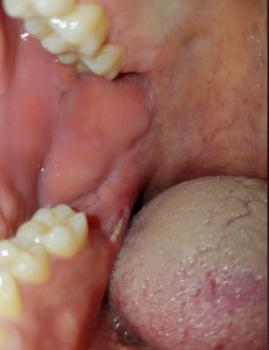
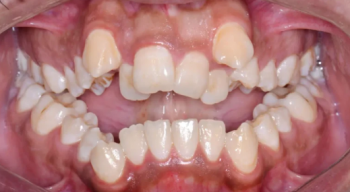
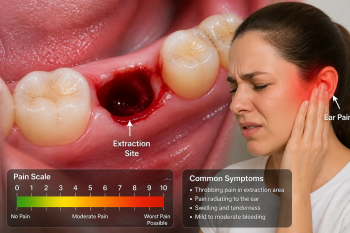
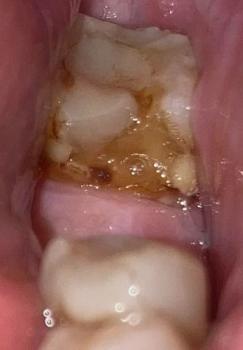
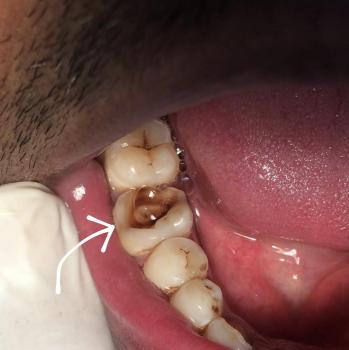
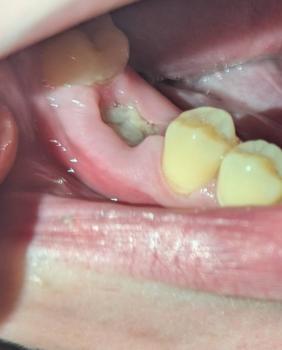
Patients with lower front gum inflammation may also experience tartar buildup, periodontal disease, gum abscesses, or tooth decay. Explore these related clinical case studies.
Other topics:
Other Dental Clinic