We Bring Back the Sparkle in Your Smile.

Severe Tooth Infection Symptoms: What to Do When You’re in Pain and Under Financial Stress
Dealing with severe tooth pain while facing financial difficulties can be overwhelming. For people living in low-income communities in Manila, the cost of dental treatment can make it difficult to seek help.
However, a tooth infection should never be ignored. An untreated dental infection can spread and become a serious health problem. Recognizing the warning signs early can help you get the care you need before the condition becomes more dangerous.
Common Symptoms of a Tooth Infection
A tooth infection, also known as a dental abscess, can cause several uncomfortable symptoms. Some infections may start with mild pain and become worse over time.
1. Intense, Throbbing Tooth Pain
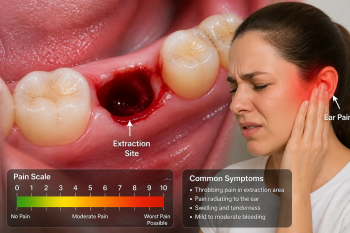
A tooth infection may cause:
-
Severe or constant toothache.
-
Throbbing pain that gets worse at night.
-
Pain that spreads to the jaw, ear, or neck.
-
Pain when chewing or putting pressure on the tooth.
If your tooth pain is severe and persistent, it is important to have it checked by a dentist.
2. Sensitivity to Hot, Cold, or Sweet Foods
You may experience sharp pain when drinking cold water, eating sweets, or consuming hot food.
Sensitivity can have many causes, including tooth decay, exposed dentin, or damage to the tooth nerve. Severe or lingering sensitivity may indicate a deeper dental problem that needs professional examination.
3. Swollen Gums, Face, or Cheek
Swelling is a common warning sign of a dental abscess.
You may notice:
-
Swollen or tender gums.
-
A red, pimple-like bump on the gum.
-
Swelling around the affected tooth.
-
A swollen cheek or face.
A gum bump may sometimes drain pus, but this does not mean the infection has been cured. The underlying cause still needs dental treatment.
4. Bad Taste or Bad Breath
A dental abscess may produce a foul taste or unpleasant odor in the mouth.
If an abscess ruptures, you may suddenly notice a salty or foul-tasting fluid. The pain may temporarily improve, but the infection can remain.
5. Fever and Feeling Unwell
A more serious dental infection may cause:
-
Fever.
-
Chills.
-
Weakness or tiredness.
-
Feeling generally unwell.
Fever combined with dental swelling is a warning sign that requires prompt medical attention.
Emergency Warning Signs: When to Go to the Hospital
A dental infection can become dangerous if it spreads into surrounding tissues, especially the neck or areas that affect breathing and swallowing.
Go to a hospital emergency department immediately if you experience:
-
Difficulty breathing.
-
Difficulty swallowing.
-
Rapidly increasing swelling of the face or neck.
-
Severe swelling that makes it difficult to open your mouth.
-
A dental infection accompanied by high fever and feeling seriously unwell.
These symptoms may indicate a spreading infection that requires urgent medical treatment. Do not wait for a regular dental appointment if you are having trouble breathing or swallowing.
What If You Cannot Afford Dental Treatment in Manila?
Financial hardship should not prevent you from seeking help for a potentially serious dental infection.
If private dental treatment is too expensive, consider these options in Metro Manila.
1. Barangay Health Centers and Public Dental Clinics
Visit your local barangay health center or city health office and ask if dental consultations, extractions, or referrals are available.
Some public facilities offer subsidized or free services for eligible residents. Availability, fees, and eligibility vary by location.
2. Government Hospitals
Public hospitals may provide dental services or emergency medical care for serious infections.
Examples of government healthcare facilities in Metro Manila include:
-
Philippine General Hospital (PGH).
-
Ospital ng Maynila.
-
Quezon City General Hospital.
-
Other city government hospitals and health centers.
Call or visit the facility to confirm its dental services, requirements, and available assistance.
Important: If you have difficulty breathing or swallowing, seek emergency care immediately rather than waiting for a low-cost dental appointment.
3. PCSO Medical and Dental Assistance
The Philippine Charity Sweepstakes Office (PCSO) may provide medical assistance programs for eligible patients, depending on current program requirements and available funding.
Ask about dental assistance, required documents, and application procedures through official PCSO channels.
4. Church and Community Dental Missions
Some churches, charitable organizations, and community groups organize dental missions offering free or low-cost consultations and extractions.
Ask your barangay office, local parish, or community leaders about upcoming dental outreach programs.
Can a Tooth Infection Go Away on Its Own?
Usually, no. A dental abscess generally requires professional dental treatment.
Depending on the cause and severity, treatment may include:
-
Draining the abscess.
-
Root canal treatment.
-
Tooth extraction.
-
Antibiotics when clinically indicated.
Antibiotics alone may not eliminate the source of a tooth infection. A dentist must determine the appropriate treatment.
Do not attempt to pop or drain an abscess yourself.
What You Can Do While Waiting for Dental Care
If you are experiencing tooth pain:
-
Arrange a dental consultation as soon as possible.
-
Rinse your mouth gently with warm salt water.
-
Keep the area clean with gentle brushing.
-
Avoid very hot, cold, or sweet foods if they trigger pain.
-
Use an appropriate over-the-counter pain reliever according to the label, if safe for you.
-
Do not place aspirin directly on your gums or tooth.
-
Do not rely on leftover antibiotics or self-medicate with antibiotics without medical advice.
These steps may help manage discomfort temporarily, but they do not cure a dental abscess.
Final Thoughts
Severe tooth pain is difficult enough without the added burden of financial stress. If you live in a low-income community in Manila, you may feel that dental care is out of reach—but affordable public healthcare, charitable assistance, and community dental programs may provide options.
Do not ignore severe tooth pain, swelling, or fever. Early dental treatment can help prevent complications and protect your overall health.
If you have emergency warning signs such as difficulty breathing, difficulty swallowing, or rapidly spreading facial or neck swelling, go to the nearest hospital emergency department immediately.
Frequently Asked Questions
Can a tooth infection cause severe pain?
Yes. A dental infection can cause intense, throbbing pain, sensitivity, and pain when chewing.
Can I treat a dental abscess at home?
Home care may temporarily relieve symptoms, but a dental abscess usually needs professional treatment.
Where can low-income patients get dental care in Manila?
Start by asking your barangay health center, city health office, or government hospital about available dental services and financial assistance.
Is a swollen cheek from a tooth infection dangerous?
It can be. Facial swelling requires prompt dental evaluation. If swelling spreads rapidly, affects the neck, or causes difficulty breathing or swallowing, seek emergency care immediately.
Can antibiotics cure a tooth infection?
Antibiotics may be needed in certain cases, especially when infection is spreading or systemic symptoms are present. However, they do not always remove the source of the infection. A dentist must determine the appropriate treatment.
Medical Disclaimer: This article is for general educational purposes only and does not replace professional dental or medical advice. If you have severe tooth pain, swelling, fever, or other concerning symptoms, consult a qualified dentist or healthcare professional.
Related Clinical Cases
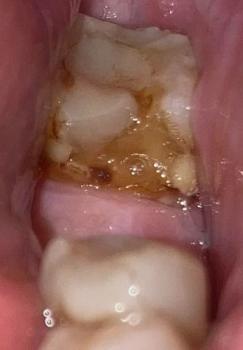
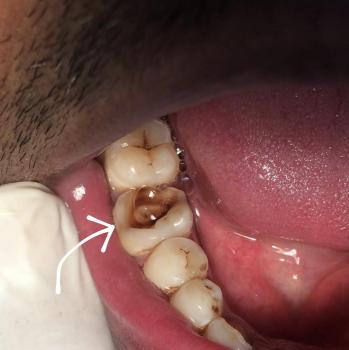
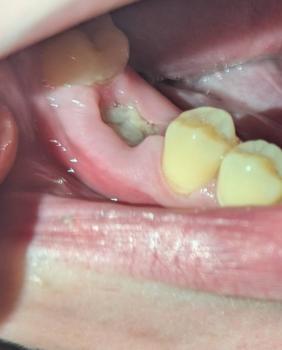
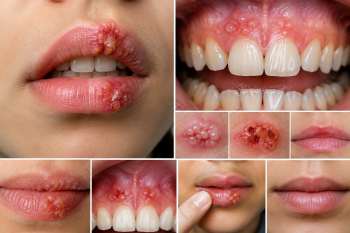
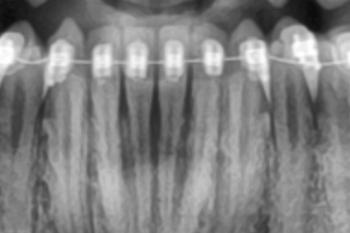
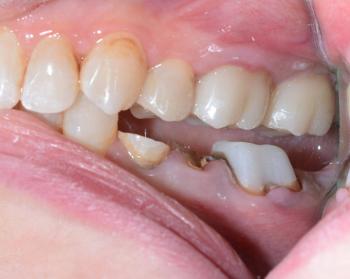
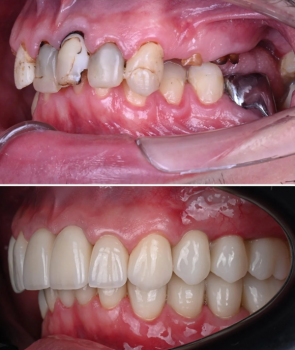
Patients with lower front gum inflammation may also experience tartar buildup, periodontal disease, gum abscesses, or tooth decay. Explore these related clinical case studies.
Other topics:
Other Dental Clinic