Blogs

Risks of Bone Grafting: What Patients in Texas Need to Know Before Treatment

Topics: 

Bone grafting is a common and highly effective dental procedure used to rebuild or strengthen the jawbone, especially before placing dental implants. While it is generally safe and predictable, it’s important to understand that—like any medical procedure—it carries certain riskes.

If you’re living in Texas and considering bone grafting, this guide explains the real risks, what causes them, and how to avoid complications for a smooth recovery.

Missing a Tooth? Why Your Jawbone Might Be Disappearing (And How a Graft Can Save Your Smile)

Topics: 

From bone loss after extraction to gum disease and aging—here’s what every American needs to know before getting dental implants.

You lost a tooth. Maybe it was a molar in the back that nobody sees. Maybe it was a front tooth from a sports injury in high school. You figured, “It’s fine. I can chew on the other side.” Months turn into years. Then, you finally visit your dentist for a check-up, and you hear the words no one wants to hear: “You have significant bone loss. You’ll need a bone graft before we can place an implant.”

From Chair to Care: 7 Surprising Truths About Healing After Oral Surgery (Plus Fast-Healing Hacks)

Topics: 

What every US patient needs to know about swelling, tenderness, and chewing—so you can get back to your life fasterz.

If you are reading this, you have likely just undergone oral surgery—whether that be a wisdom tooth extraction, dental implants, root canal, or a gum graft. First, take a deep breath. You have made it through the hard part. However, the recovery room is where the real journey begins.

The Silent Epidemic: Why Tooth Loss Is Stealing More Than Just Smiles

You probably don't think about losing a tooth until it happens. Then suddenly, everything changes. Chewing becomes awkward. You avoid smiling in photos. You notice the gap every time you look in the mirror. And then comes the shock when you find out how much it costs to fix.

Tooth loss is not a rare problem for the elderly. It affects millions of American adults, many in their 30s and 40s. In fact, by age 50, the average American has lost 12 teeth, including wisdom teeth. By age 74, nearly one in five adults has lost all of their natural teeth.

Tooth Wear: How Your Teeth Show the Signs of Time

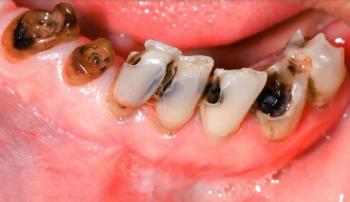
Your teeth work hard every day. They chew food, help you speak, and flash your smile. But just like the tread on your car tires or the soles of your favorite shoes, your teeth can show signs of wear over time. This is called tooth wear, and it happens to almost everyone as they age. The good news is that you can spot it early and slow it down.

What Does Tooth Wear Look Like?

Tooth wear is not the same as a cavity or a broken tooth. It is a slow, gradual process. You might notice:

  • Your front teeth look slightly shorter or have a flat, straight edgee.

Pages