admin's blog

Prevention Topics (Good for Authority Building): Protecting Your Oral Health Before Problems Start

Topics: 

Prevention is the foundation of long-term oral health. Instead of waiting for pain or infection, focusing on preventive dental care helps patients avoid costly treatments like extractions, root canals, or implants. This approach not only protects your teeth but also builds strong authority and trust for any dental website or clinic.

Dental experts consistently emphasize that early care is easier, cheaper, and more effective than treatment after damage occurs.

Swelling After Tooth Removal: When Is It Dangerous?

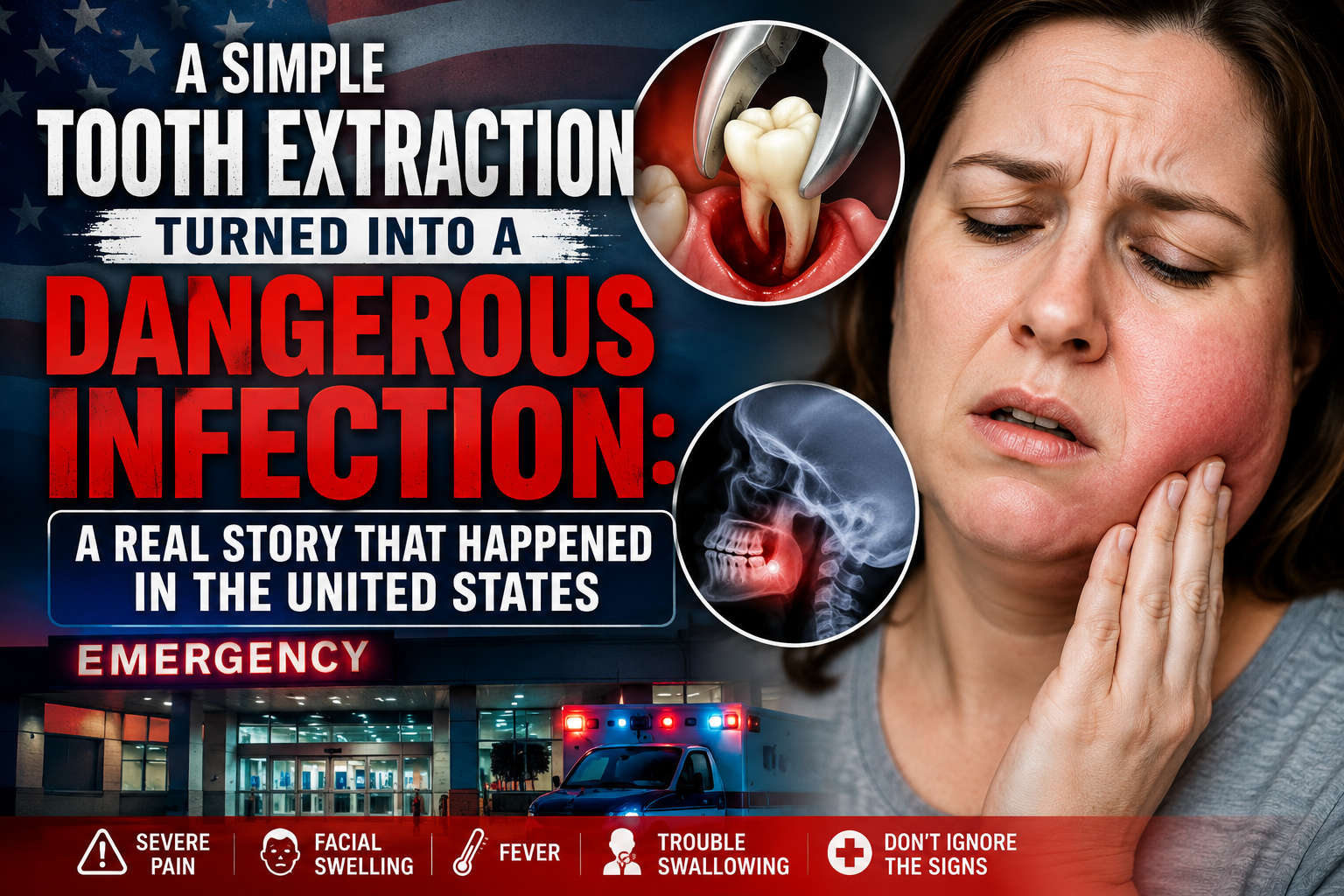
Swelling after a tooth extraction is completely normal, especially within the first few days. However, many patients worry when swelling increases or lasts longer than expected. Knowing what is normal—and what could signal a problem—helps you recover safely and avoid complications.


Why Swelling Happens After Tooth Extraction

Swelling is part of your body’s natural healing response. When a tooth is removed, the surrounding tissues become inflamed as blood flow increases to repair the area.

Common causes include:

Tooth Extraction Healing Stages Day by Day (Complete Guide 2025)

Topics: 

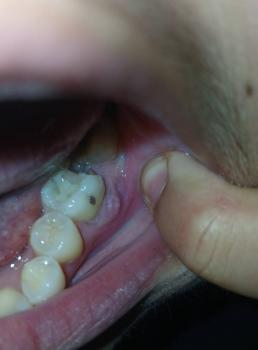
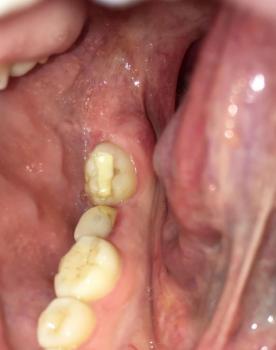
Tooth extraction is a common dental procedure, but many patients worry about how long healing takes and how to speed it up. Understanding the day-by-day healing stages after tooth removal helps you avoid complications and recover faster.

This guide explains what happens after a tooth is removed and how to heal properly.


Day 1: Blood Clot Formation (Critical Stage)

Right after extraction, your body forms a blood clot inside the socket. This clot protects the bone and nerves underneath.

What to expect:

Tooth Extraction Healing & Recovery Guide

Topics: 

Tooth Extraction Healing Stages Day by Day

Healing after a tooth extraction is a gradual process, and understanding what happens each day can help reduce anxiety and ensure proper recovery. Immediately after the procedure (Day 1), a blood clot forms in the socket. This clot is essential—it protects the underlying bone and nerves while starting the healing process. Mild bleeding and swelling are normal during this stage.

Dry Socket Symptoms: 7 Warning Signs You Should Not Ignore

Losing a tooth is already stressful—and when pain suddenly gets worse instead of better, it can feel alarming. If you’re dealing with increasing discomfort a few days after an extraction, you’re not alone. Many patients worry something went wrong. One common cause is Dry socket, a condition that needs attention but can be treated effectively when caught early.


What Is Dry Socket?

After a tooth is removed, a protective blood clot should form in the socket. This clot acts like a natural bandage, helping the area heal.

Dry socket happens when that clot:

Pages